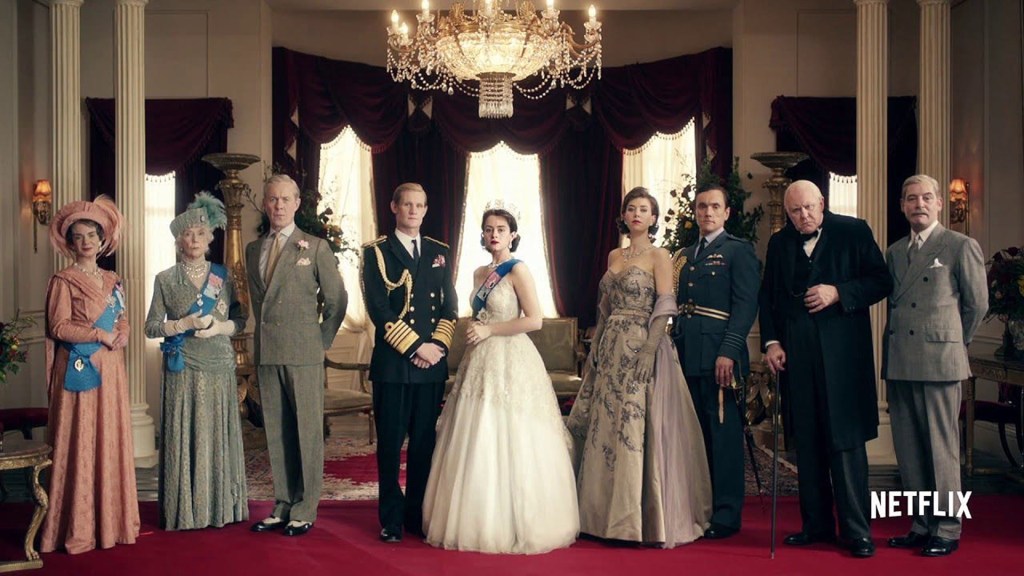
Top Moments of The Crown, Season 1
The release of the trailer for Season 3 means the visual feast that is The Crown will return to our screens soon. With my love for the show and interest in British history, I thought I might try my hand at recapping the new episodes.
Alas, we still have a few weeks to wait, so what else is there to do but re-watch seasons 1 and 2? Perhaps you don’t have a mild obsession or 20 hours to spare? Not to worry- I’ve made that sacrifice for you and compiled the most significant scenes to review in preparation for November 17th.
*Quick note on who’s who:
– Queen Elizabeth II aka Elizabeth Windsor aka Elizabeth Mountbatten, daughter of King George and wife to Philip
– Philip, Duke of Edinburgh aka Philip Mountbatten, husband to Elizabeth
– Princess Margaret, sister to Elizabeth, second daughter of King George
– King George VI aka “Bertie,” Elizabeth’s father
– Duke of Windsor aka “David,” Bertie’s brother and Elizabeth’s uncle. He became king upon his father’s death, but he abdicated the throne and was never crowned.
– “Queen Mother” or “Queen Mum” is Bertie’s widow and Elizabeth’s mother
– “Queen Mary” is mother to David and Bertie, grandmother to Elizabeth, and now the Dowager Queen (was queen consort to King George V)
And now, the Top Moments of Season 1:
1. “She is the job.”
Episode 1- “Wolverton Splash”
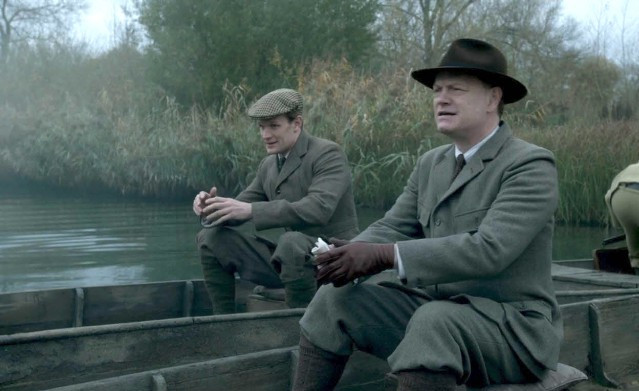
King George has invited his son-in-law on an early morning shooting. Knowing the dire state of his health, the King challenges Philip with the importance of his role alongside Elizabeth. You get the impression throughout the episode that King George feels he has not done enough to prepare his daughter for what is about to be thrust upon her. He tells Philip, “The titles are not the job…she is the job. She is the essence of your duty. Loving her. Protecting her…there may be no greater act of patriotism- or love.”
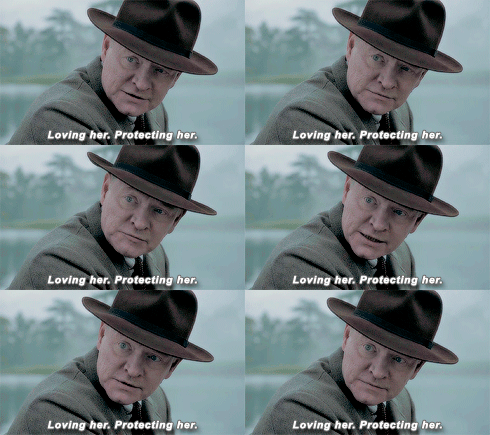
It is evident that Philip, while listening in earnest, does not understand- cannot understand- what it will really mean to forgo his career, his personal aspirations, in order to fully support his wife in her role as Queen. Thus begins the struggle we see unfold in the arc of Philip’s character throughout seasons 1 and 2.
2. The King is dead.
Episode 2- “Hyde Park Corner”

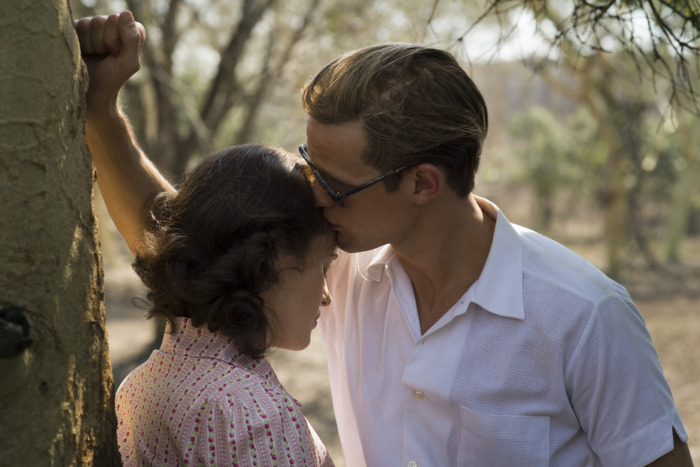
When re-watching season 1, it is striking how different Elizabeth and Philip are at the beginning of the series. It’s a credit to both actors how young and carefree they seem in comparison to how we will see them by the end of season 2. The show makes a point of illustrating the charming life they lead pre-crown. They play with their children; Philip thrives in sports and his naval career; and Elizabeth actually smiles a bit. Even the weather is sunnier in Malta where they reside. In this scene in episode 2, as Martin Charteris brings word of the king’s death to Philip, who then must break the news to Elizabeth, all of that changes forever.
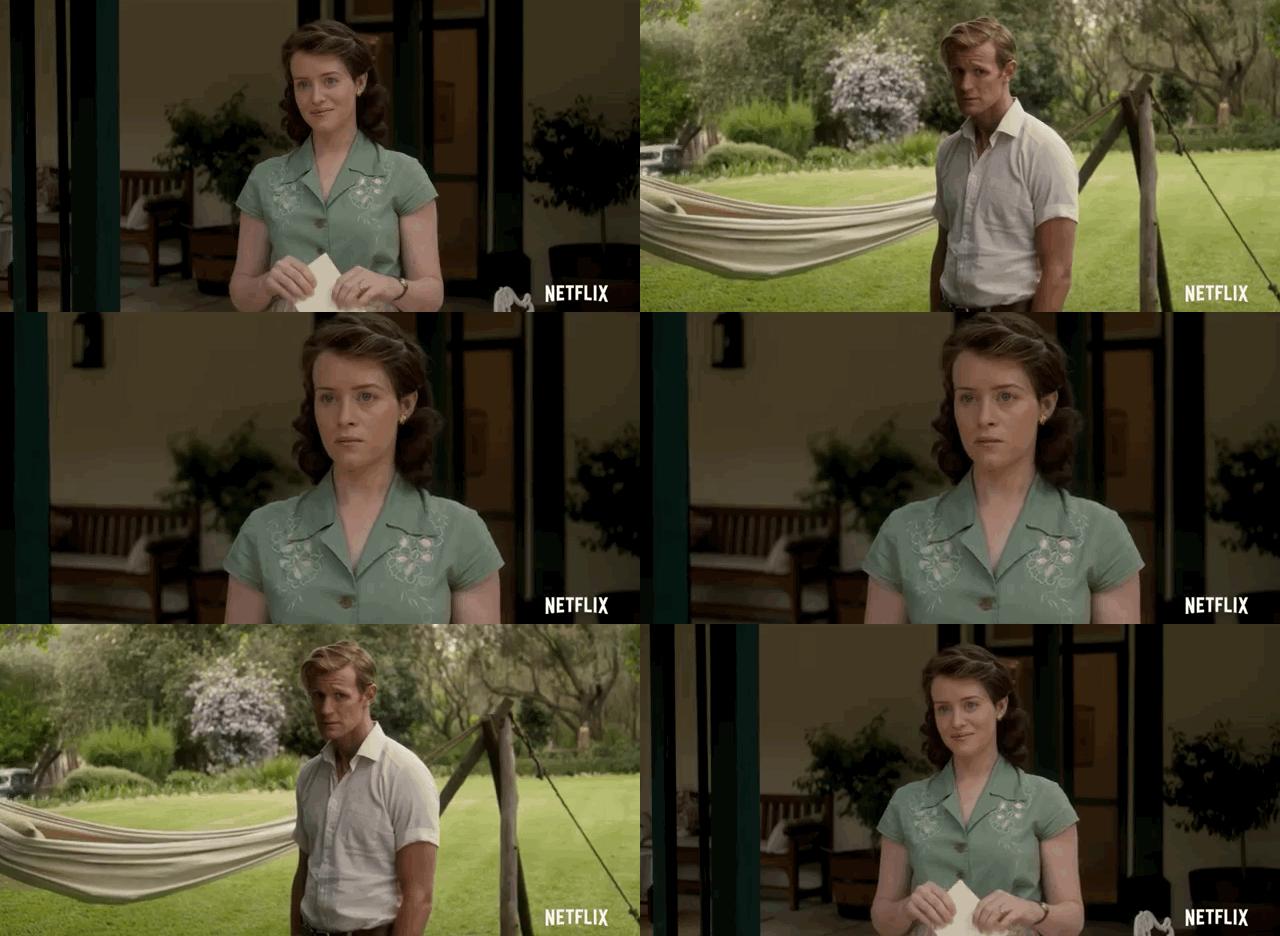
With the resentment we will see from Philip as the show continues, it’s understandable to question: did he not know what he was getting into? The answer is of course, yes, he knew he was marrying the future queen. But I think it’s fair to say he (and she!) had no idea how early that ascension would take place. If you think about the current heir to the throne, Prince Charles, he has lived his whole life without the actual burden of the crown (of course it looks as though we’ll be seeing more of the impact of that peculiar position in season 3!). In contrast, Elizabeth was twenty-six (26!) and Philip thirty-one when they assumed that duty. In this scene, Elizabeth’s heartache is for the loss of a dearly loved father, but soon she will learn she has lost a great deal more.
3. “The Crown must win.”
Episode 2- “Hyde Park Corner”
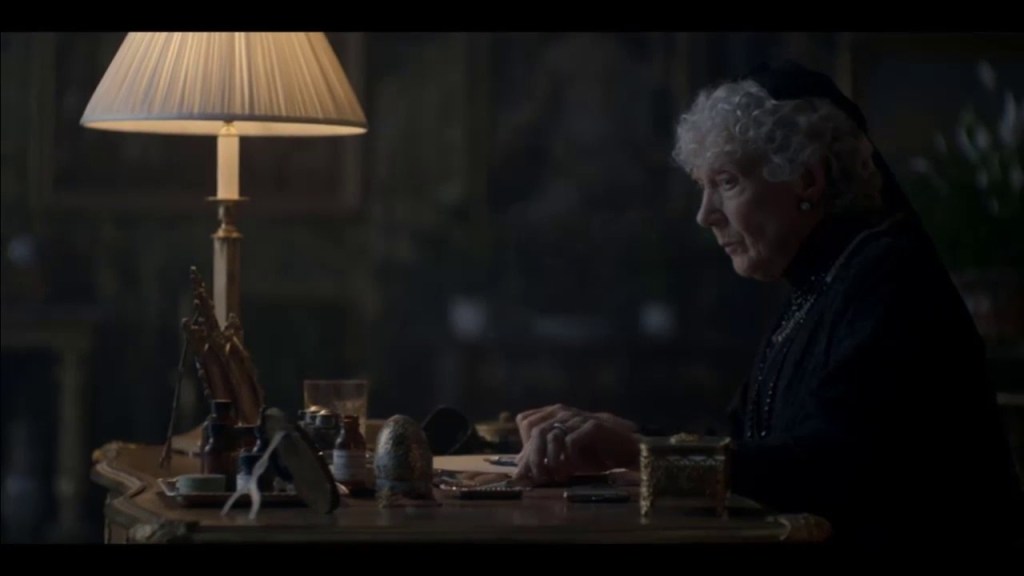
The Dowager’s words are in voice-over as Elizabeth prepares to de-board the airplane and step foot in Britain for the first time as Monarch. Remember, this is the lady whose son, David, abdicated the throne and therefore forced his younger brother Bertie, Elizabeth’s father, into the role of king, thereby altering the course of Elizabeth’s life as well. Queen Mary states that she has witnessed monarchies fall from a “failure to separate personal indulgences from duty.” She tells her granddaughter to mourn her father but also to “mourn someone else: Elizabeth Mountbatten.” From the moment Philip gives her the news of the king’s death, her life as wife and mother will take a backseat to that of queen.
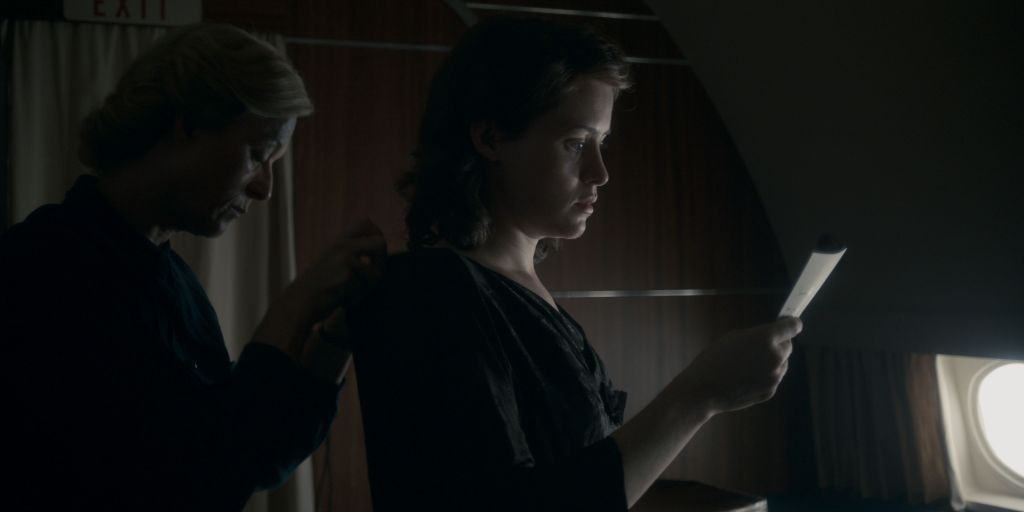
As Philip is told he must now walk a step behind his wife, Queen Mary’s voice ominously concludes: “The crown must win. Must always win.” Her words mark the beginning of two central conflicts of the show: Philip vs. Elizabeth and Elizabeth Mountbatten vs. Elizabeth the queen. Queen Mary, wife and mother to kings, puts store by her words when she later bows to her granddaughter in deference to the crown.
4. “God Save the Queen”
Episode 2- “Hyde Park Corner”
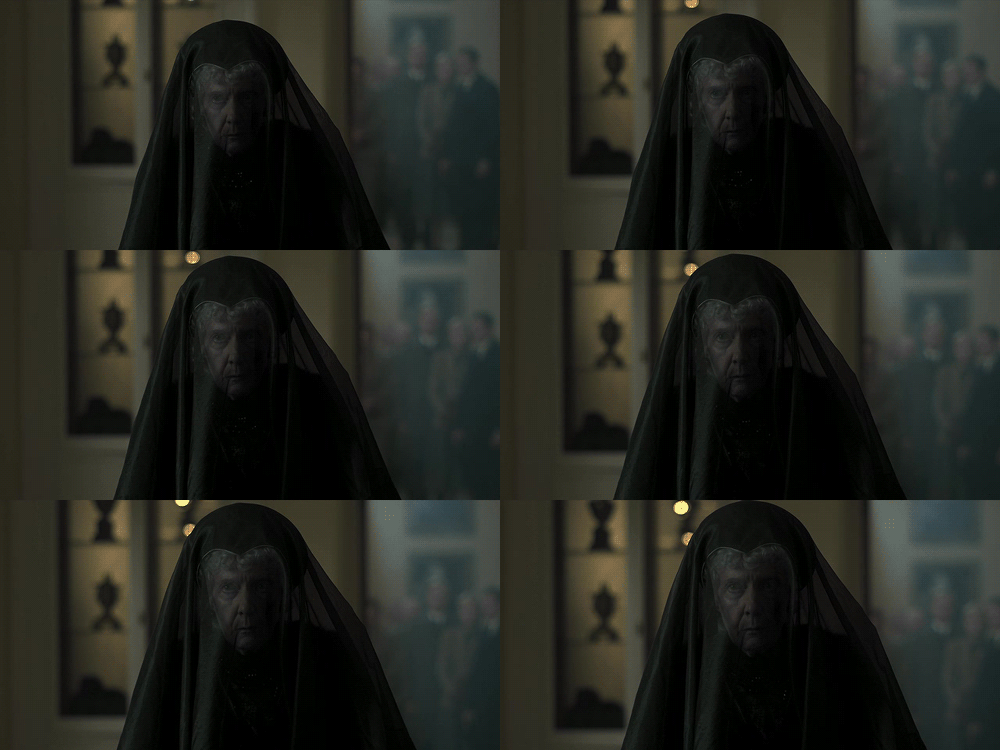
Churchill’s eulogy for King George VI is certainly one of the more powerful moments of season 1. History often remembers the impact Churchill had on Elizabeth as her first prime minister, but here we see how she, too, was a saving grace for the aging politician. Just as his rivals are ready to swoop in among the ashes of his career, he brings out Winston the war-hero, that voice of comfort and assurance the country grew to count on during World War II. The speech is historically accurate- it has been shortened for the show- but some of the most eloquent lines are word-for-word:
“Famous have been the reigns of our queens. Some of the greatest periods in our history have unfolded under their sceptre. I, whose youth was passed in the august, unchallenged and tranquil glories of the Victorian era, may well feel a thrill in invoking once more the prayer and the anthem, ‘God save the Queen!’”
Churchill, Winston S. “For Valour: King George VI.” 17 February 1952.
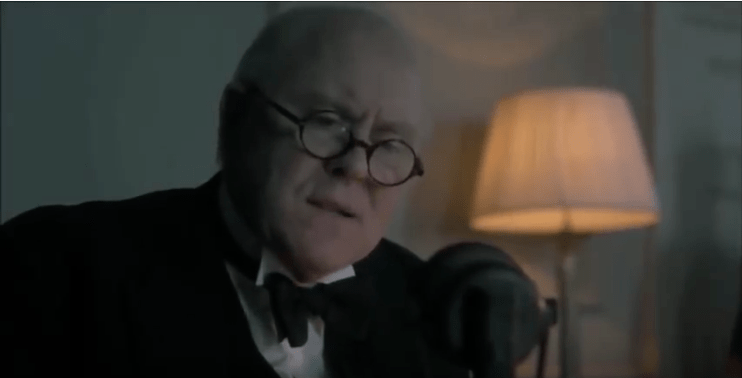
And with that, Churchill not only gives a solid footing to Elizabeth’s reign but also re-establishes the public’s confidence in his role as prime minister.
5. Elizabeth asks the Duke of Windsor for an apology.
Episode 3- “Windsor”
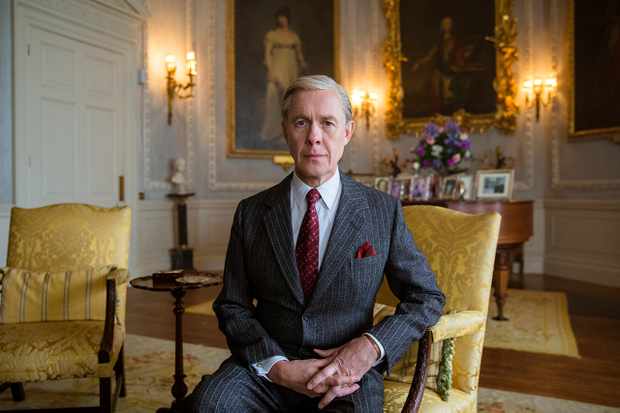
Oh David. What an enigma. His portrayal in the series clearly paints him as a mirror image first to his brother and then later and more aptly, to his niece, Elizabeth. We have already heard Queen Mary tell Elizabeth to mourn her former, personal self, and in the Duke’s opening scene, his mother clearly tells him that “nobody wants to hear from a private individual.” He will continue to assert his individuality in every moment we see him. Yet he is strangely duplicitous. In person, to the faces of his family members, he is kind, warm, and borderline obsequious, but in his letters to his love, Wallis Simpson, he speaks of them with disdain and censure, not to mention some unflattering nicknames. He claims there is ice in their veins, but there is obviously a darker side to the Duke as well. This “other side” of the Duke is further explored in Season 2.
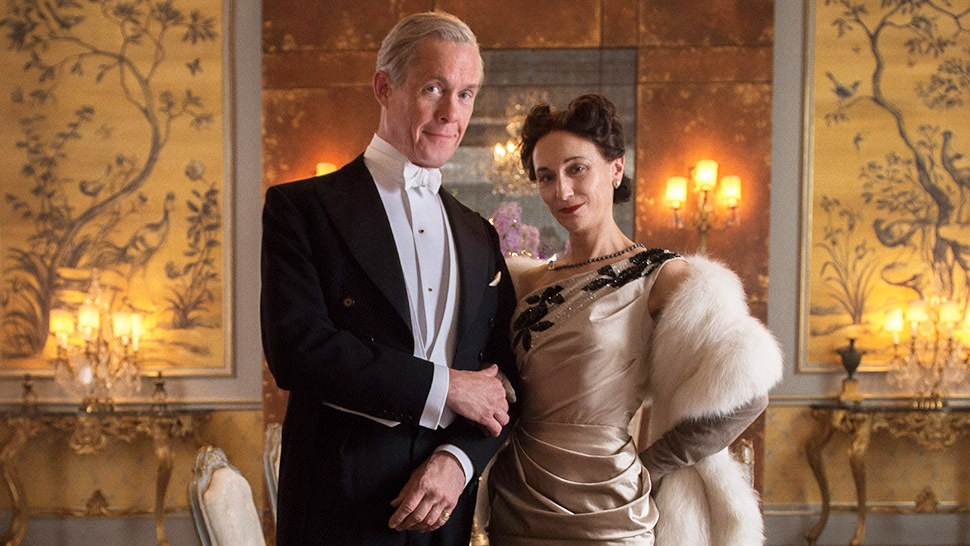
One could argue that abdicating the throne directly led to his brother’s early death. The Queen Mother certainly thinks so when speaking to her daughters: “the responsibility of becoming king killed your father and I will never forgive his [David’s] selfishness and weakness in passing on the burden.” If it was not already clear, it certainly is now that the crown is not something to be desired. While dining with her uncle, the Queen notes that she has yet to receive an apology from the Duke. Yes, he apologized to her father, his brother, but not to her or her husband, Philip. Elizabeth may not be bold (as Margaret is always quick to remind her), but she is not false. She may not be as overtly hostile to her uncle as her mother is, but she is not afraid to speak the truth to him either. Elizabeth expresses her wish that she was living life as “an ordinary english countrywoman.” It is a sad irony that Elizabeth is the one member of her family who sincerely wishes for a simpler life, but is the one member who cannot have it.
6. “But where does that leave me?”
Episode 4- “Act of God”
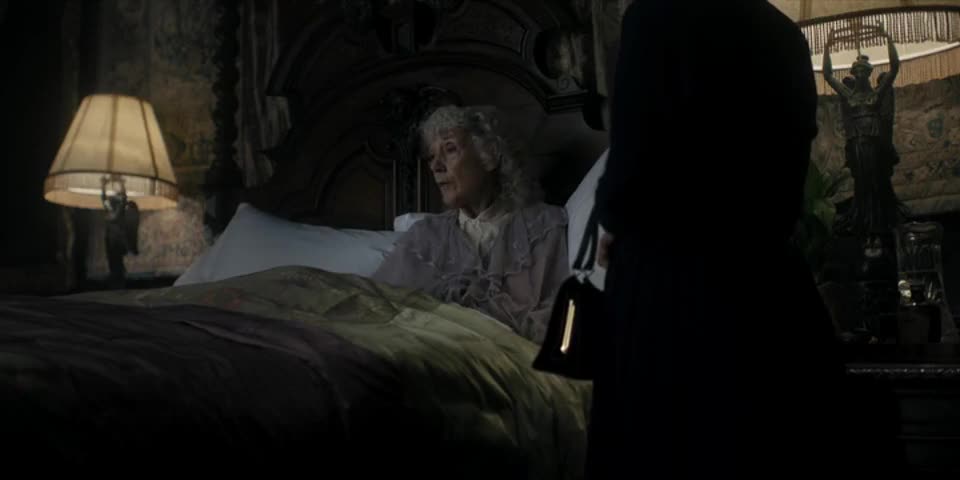
When faced with the dilemma of whether or not to intervene with government when it’s becoming apparent that something must be done about the fatal fog that has descended on London, Elizabeth seeks out her grandmother for advice. The subsequent exchange is equally vital as Queen Mary’s letter in laying the groundwork for Elizabeth’s understanding of herself and her role.
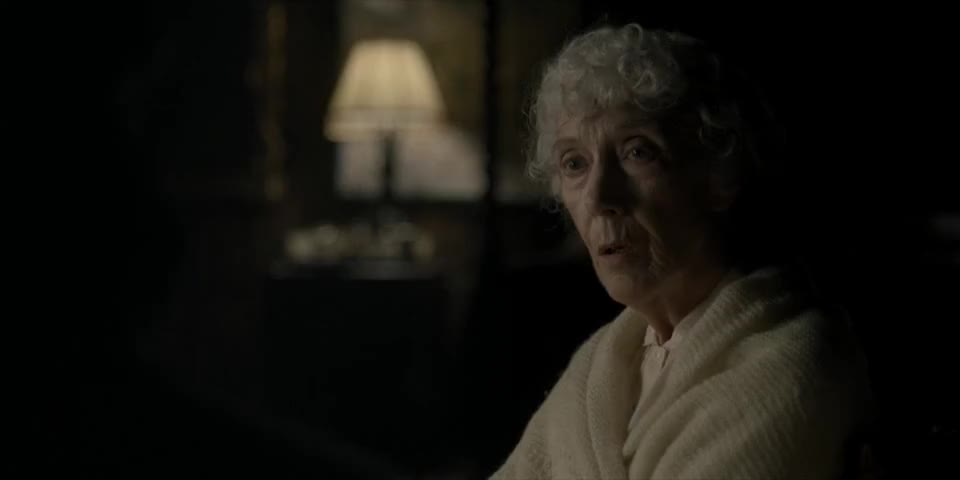
Queen Mary: To do nothing is the hardest job of all and it will take every ounce of energy that you have. To be impartial is not natural, not human. People will always want you to smile or agree or frown. and the minute you do, you will have declared a position. A point of view. And that is the one thing as sovereign that you are not entitled to do. The less you do, the less you say or agree or smile-
Elizabeth: Or think? Or feel? Or breathe? Or exist?
QM: The better.
E: Well that’s fine for the sovereign, but where does that leave me?
A key question of the entire series.
7. The Dignified and the Efficient
Episode 7- “Scientia Potentia Est”
This episode begins with Elizabeth questioning her mother on whether her education had been lacking as she now feels unqualified to be left alone in conversation with politicians and statesmen. Her mother later responds that Elizabeth “received an entirely appropriate education for a woman of [her] background.”
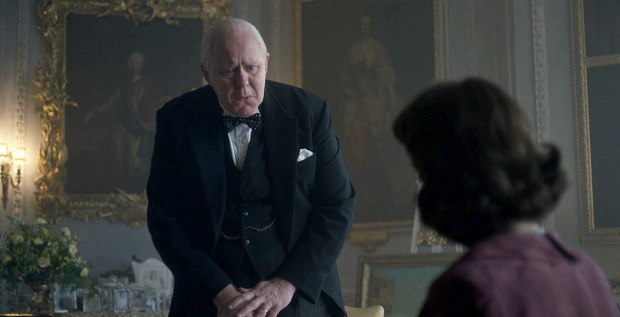
Meanwhile, Churchill suffers two strokes and forbids anyone from notifying the Queen of his condition. When Elizabeth learns of this deception, her tutor gently reminds her that in this scenario, she has every reason to act, but she doubts her ability to do so without being “out-maneurvered.” He tells her, “this is not about intelligence and education” but rather “integrity and principle,” two qualities in which she is quite well-versed.
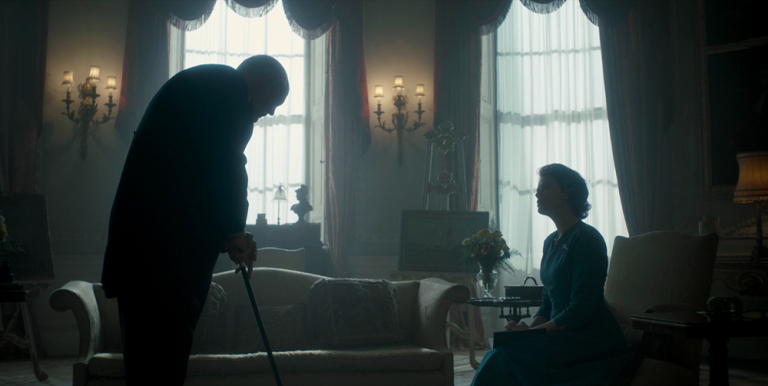
Elizabeth’s unique education in constitutional matters empowers her to confront the most powerful man in the country when he is in the wrong.
“I would ask you to consider your response in light of the respect that my rank and my office deserve, not that which my age and gender might suggest.”
Elizabeth to Churchill on whether or not he is physically fit for office
The conversation marks a turning point in the relationship between sovereign and prime minister. Churchill sees in Elizabeth a young woman who is ready to rule beyond his years in office. It also represents a shift in the way Elizabeth views herself within that relationship. She stands a little taller after this confrontation, as noted by Philip, and we will see her continue to grow in confidence in this arena throughout season 2.
8. “Elizabeth is my pride, but Margaret is my joy.”
Episode 8- “Pride and Joy”
It is a testament to the excellence of The Crown that it’s difficult to say which relationship in the show is more central, complex, and compelling: that of Elizabeth and Philip or that of Elizabeth and Margaret. Both seasons have given us pivotal conversations between these sisters, and they’re both such superb actresses- it really is a delight to watch. After scolding Margaret for her recent public behavior that has caused offense and made unwanted headlines, Elizabeth gives Margaret the essential basics of PR as a royal:
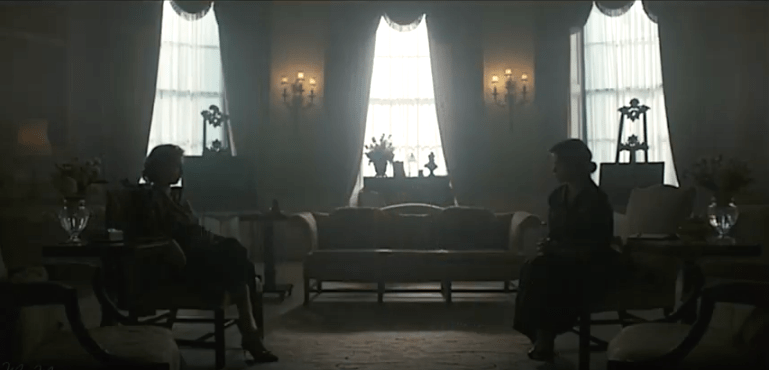
Elizabeth: It would help if you didn’t give them what they crave.
Margaret: Character and excitement.
E: Instability and drama.
M: Well at least I give them something. You give them nothing.
E: I give them silence.
M: Silence is nothing.
E: [It] allows others to shine.
M: But the monarchy should shine.
E: The monarchy, yes, not the monarch. You showed individuality and that made people panic. they don’t want individuality. The last person who showed character almost took the ship down.
One can’t help but take in these words in light of more recent history. The conversation then moves beyond their public personas:
M: Have you ever thought how it must be for me?
E: Many times, at great length. wistfully.
M: You have a role, a clear set of rules, all you have to do is follow them.
E: You have freedom all you have to do is enjoy it.
M: You think that i am free? To be constantly in your shadow constantly the overlooked one.
E: It looks like heaven to me.
M: What you have looks like Heaven to me.
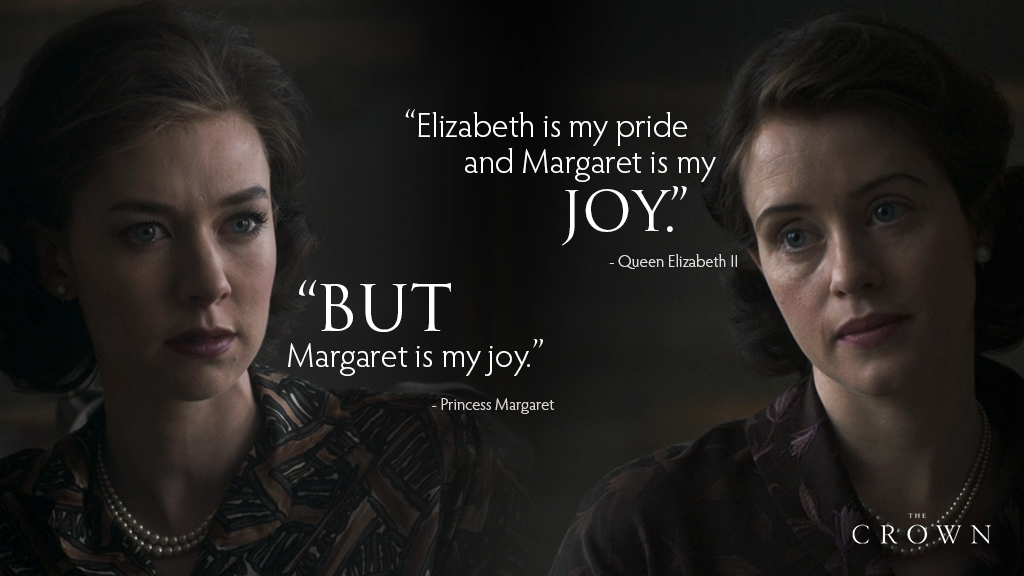
And there you have it! A portrait of the two sisters’ distinct personalities. I haven’t yet touched on the relationship between Margaret and Peter Townsend, mostly because we know she does not marry him, and also because he comes across rather smarmy at worst or uninterested at best. But it is important to note how lost Margaret has felt in the wake of her father’s passing, as though she were a ship tossed by a storm. It is no wonder she has run into the arms of a man 16 years her senior seeking an anchor. The toll of King George’s death is felt keenly by his wife and daughters- or is it the toll of the abdication? The episode opens with the conversation between Bertie and David after David has made the decision to abdicate. With great lament, Bertie responds, “my daughters.”
Margaret’s broken and fragile state in this scene, as well as in the scenes following the news that she will not marry Peter, reveals a clear opening for someone like Antony Armstrong-Jones to capture her heart in season 2. And we’re in for a treat with Olivia Coleman and Helena Bonham Carter portraying the sisters in season 3!
9. Sutherland and Churchill find common ground.
Episode 9- “Assassins”
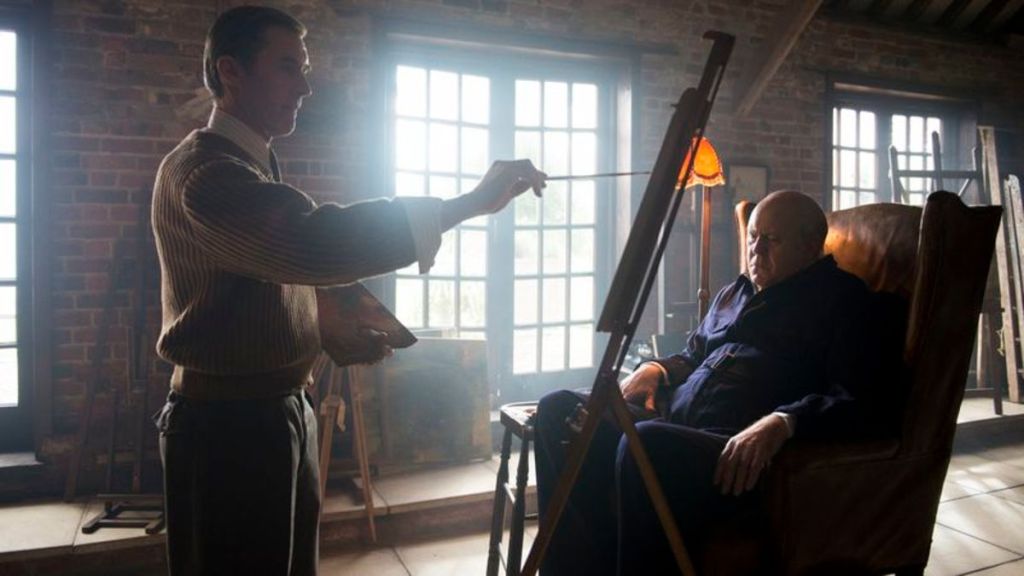
Perhaps this scene is not essential in going forward to seasons 2 and 3, but it strikes such a poignant chord, I had to include it in a list of “top moments.” The early scenes between artist and subject are slow to be sure, but the build-up leads to quite the emotional pay-off. After going on about his own work and processes as a painter, Churchill is finally questioned by Sutherland about a prominent subject in his paintings: the pond on Churchill’s estate.
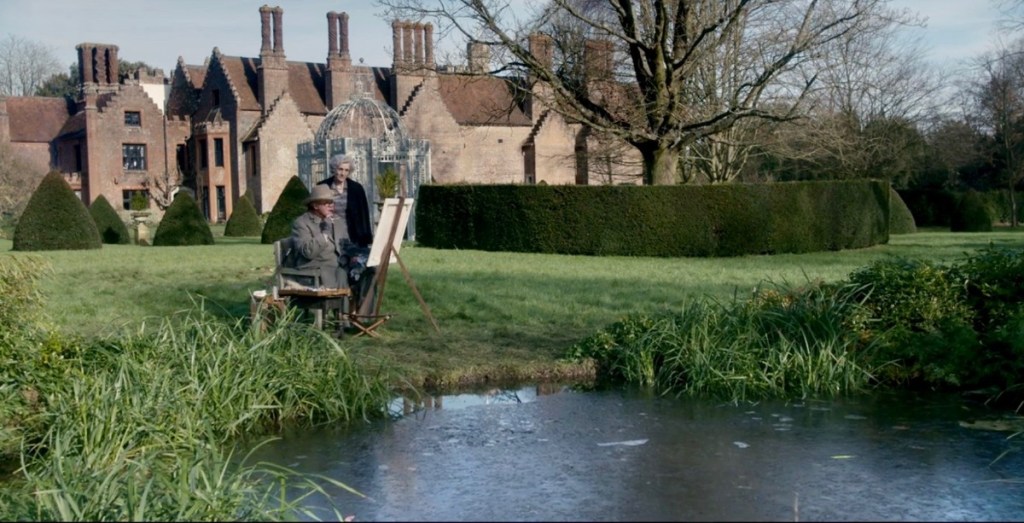
Through the course of the conversation it is uncovered that Churchill and Sutherland both share the uniquely painful grief of losing a child. Churchill is demonstrative with his feelings, as usual, but for the first time we see Sutherland, still as a stone thus far, give in just for a moment and lose control over the brush, resulting in a smudge on the canvas. Opposites in every way, including in viewpoints on how to portray “truth” in art, the two men at last find a common ground that transcends the medium.
10. Elizabeth Regina
Episode 10- “Gloriana”
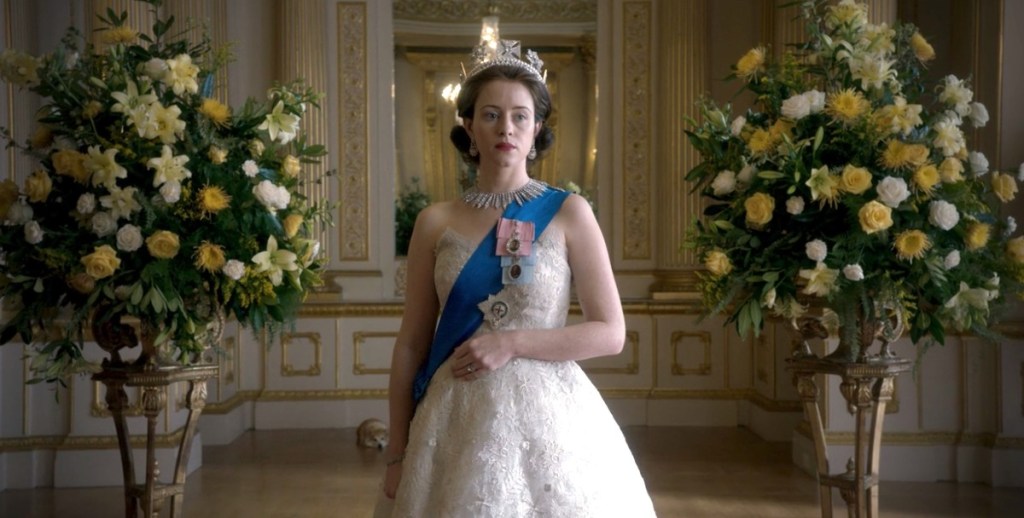
I do enjoy renowned photographer Cecil Beaton’s recurring appearances on the series. We first see him photographing Elizabeth and Philip’s marriage, and here in the season 1 finale, he shoots Elizabeth’s official portrait. Beaton takes the photograph moments after yet another difficult conversation between Elizabeth and Philip. The Duke has spent most of the season grumbling about his daily stagnancy, but when given the opportunity to represent the Queen on a royal tour, Philip insists he is being pushed out the door. Philip’s struggles are understandable, but he, like Margaret, is fond of laying total blame at the feet of Elizabeth who is frequently left with no choice in impossible situations. Philip and Margaret often chide Elizabeth for inaction, but when it suits them, they are happy to fault Elizabeth for somehow orchestrating their unhappiness.
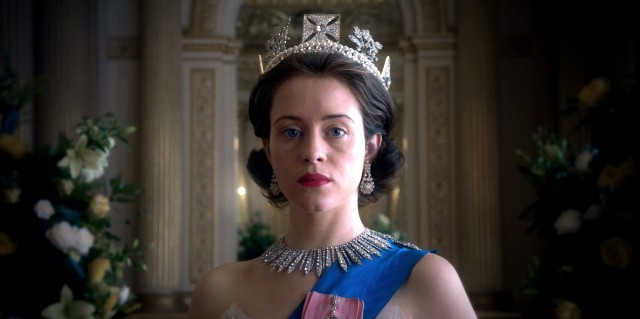
The season finale closes with Philip driving away from the palace, more free than he realizes; meanwhile Elizabeth performs her duty. Beaton’s melodious voice calls out from the camera: “forgetting Elizabeth Windsor now. Only Elizabeth Regina.” A perfect closing line to sum up the entire first season. If the words are not clue enough, then the haunting score makes it clear: this is not a happy ending.
Honorable Mentions
Little snippets worth noting:
- The utter complexity of the Duke of Windsor’s feelings towards his country and the crown he gave up, as depicted in his tearful playing of the bagpipes in the coronation episode.
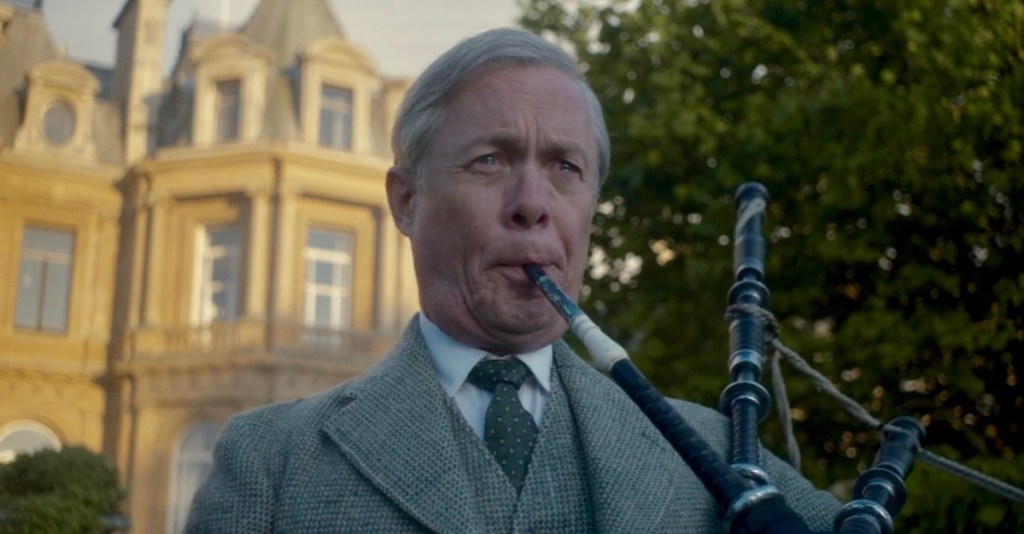
- Queen Mum tells off Prince Philip
Granted, Philip is in a uniquely challenging position, especially for that time period, but by the season finale, this is a welcome retort:
“You have more freedom than any consort in history. and you repay it by scowling and skulking like an adolescent…you might finally be less resentful and more supportive of my daughter in her duty.”
- But Philip has his moments too, where he says what we’re all thinking:
“If he were really a good influence, he’d patch things up with his wife and leave Margaret well alone.”
Philip on Peter Townsend
“A long way to go. A long way for a father to be away from his children.”
Philip on the prospect of a royal tour
- Tommy Lascelles guiding the ship
Tommy can be frustrating, but there is no doubt he is for the crown and will do everything in his power to keep the ship afloat.
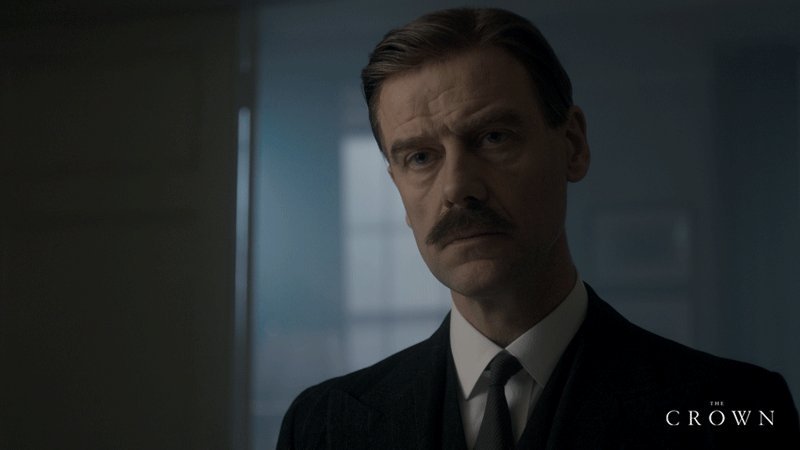
Elizabeth: Abdicating the throne and choosing my private secretary is hardly comparing like with like.
Exchange concerning the appointment of the Queen’s private secretary
Tommy: I disagree. I served your uncle as you know. And it’s in the small things that the rot starts. Do the wrong thing once, it’s easier to do it again. Do the individualistic thing once, it is easy to do it again…but as always the final say is with you, ma’am-“
This exchange is a prime example of Elizabeth’s all-too-familiar predicament.
She is the sovereign, but she so rarely has any real say in the matter.
- The reporters give Elizabeth the film containing footage of Elizabeth and Philip’s argument. How interesting it will be to see the evolution of the press as depicted on the show.
That’s it for Season 1! I know there are so many amazing moments, but we have to stop somewhere. Did I miss your favorite scene? Let me know in the comments! I hope you’ve enjoyed revisiting the earliest days of Elizabeth’s reign. If you’ve read this far, thank you. Next up, Top Moments from Season 2!
Update: Most Important Takeaways from Season 2: https://maggiechism.video.blog/top-moments-of-the-crown-season-2/
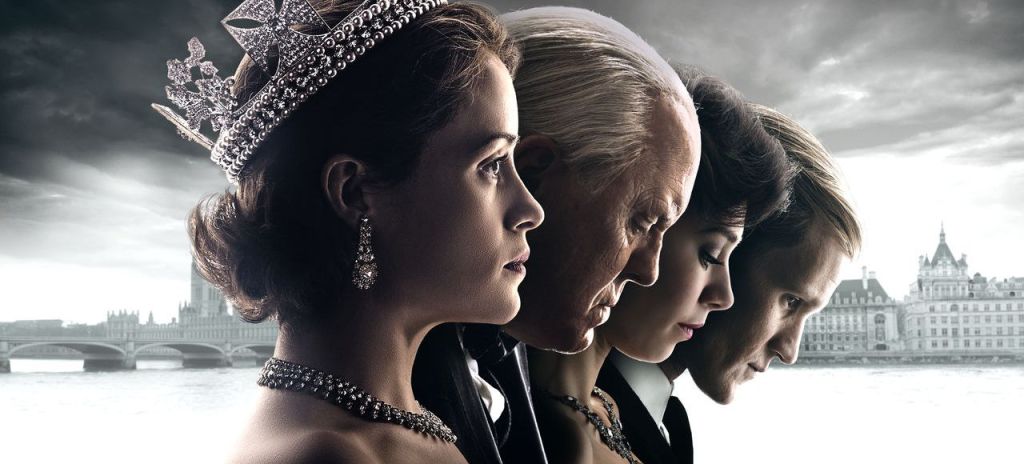
All photos are property of Netflix.
 MGC
MGC 
This is so helpful and SO much fun to read! XO – Jillian
LikeLike
So good! It gave me a great review… but also made me want to re-watch it all myself! Can’t wait for season 2 🙂 Noel
LikeLike
Maggie these are great!!
LikeLike