“Perfectly Normal”
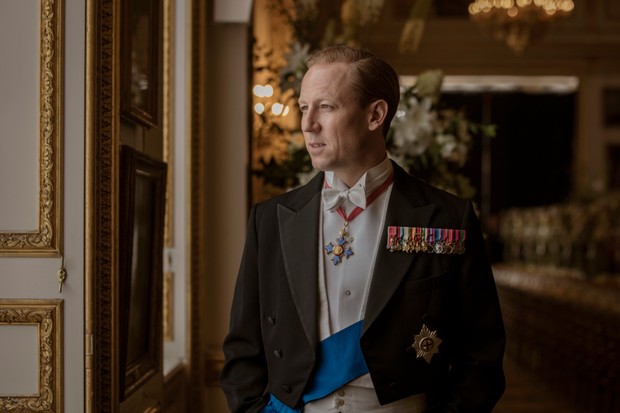
If “Aberfan” was the darkest episode of the series, then last season’s “Paterfamilias” is a close second. In that episode, the events of Philip’s tragic childhood are recounted, including his family’s exile from Greece, the institutionalization of his mother, and the death of his sister in a plane crash, all resulting in his profound lack of belonging. We revisit that material in “Bubbikins,” as the show delves deeper into Philip’s fascinating backstory.
Season 3 began with talk of pentimenti- paintings that conceal a deeper meaning, even a whole other painting underneath the surface. Episode 4 continues that motif as both the royal family and Philip’s past is stripped of their mystery, revealing hidden truths.
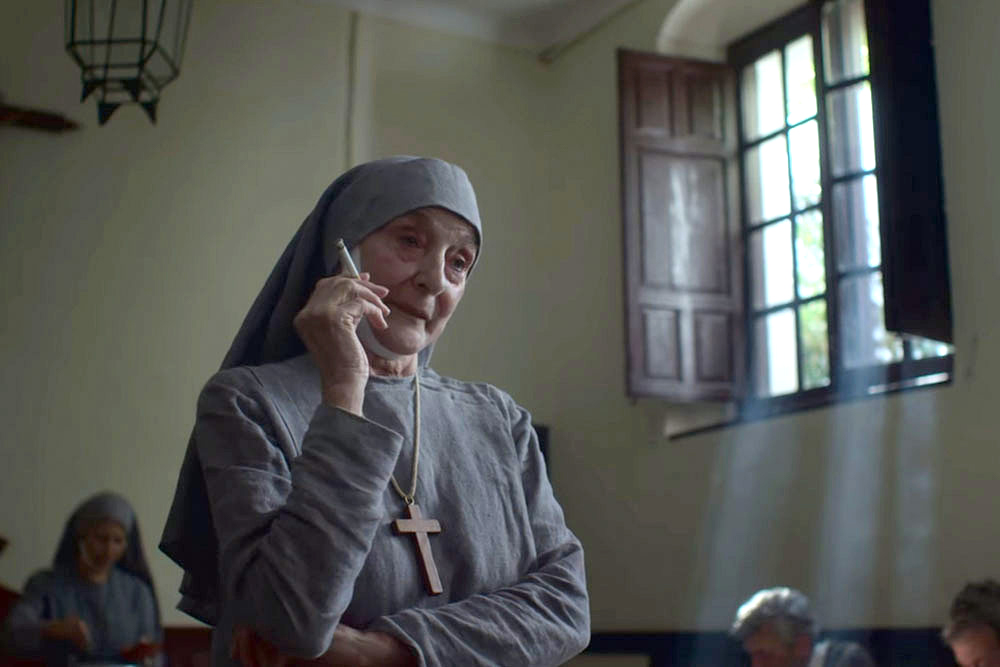
The episode begins with an elderly nun being told that her Order is under threat of closure due to lack of funding. She travels by bus to sell a Ceylon sapphire set in diamonds, but the pawnbroker refuses to believe its authenticity. When he tests it and discovers that it is indeed the real deal, he calls the cops who inform him that he is attempting to have Princess Alice of Greece and Denmark arrested. “She’s a real nun and a real princess…born in Windsor…her son is married to the Queen of England.”
In stark contrast, Alice’s son Philip appears on an American television talk show, boldly proclaiming that the crown’s allowance must increase if they are to maintain their way of doing things. It’s difficult to say whether it is the difference in times or simply tone deafness that would give Philip the audacity to publicly lament selling his yacht or having to cut back on polo. Can you imagine if a Royal made a statement today about how they were facing having to move into a smaller palace if not given more money? Yikes.
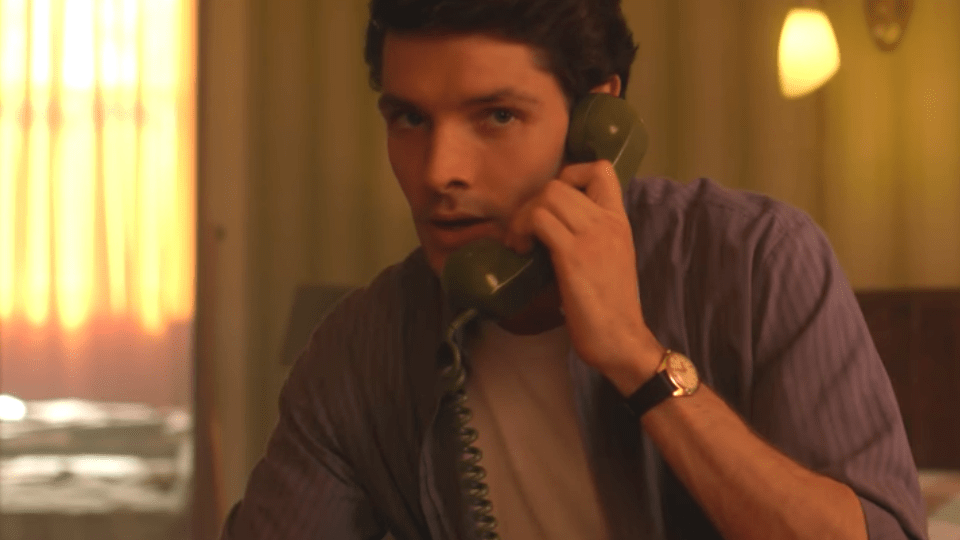
An eager reporter, a fictional John Armstrong, knows a story when he hears one and immediately gets on the phone to secure a spot on the front page.
In scenes of cabinet meetings, shown to us intercut with Harold Wilson’s audience with the queen, a technique becoming very familiar this season, an aid says they should follow the advice put forth in Armstrong’s column and “sell off an outdated and redundant piece of state infrastructure, the Royal family,” which is met with appreciative laughter all around.
The meeting reveals that the crown costs the taxpayer 2.5 million pounds each year, that the royal family costs 4x per day what the average working British family makes in a year. Those are some tough figures, and one is amazed that the monarchy has survived as long as it has.
When the Queen asks Wilson for his personal stance on the matter, he, as usual, has a perfectly measured response:
Well I have always been an ardent supporter of the monarchy, as the record shows. But when it comes to a plea of poverty from the husband of the richest woman in the world, and an appeal to the British taxpayer for a pay rise at a time like this, even I find myself…conflicted.
Our introduction to Princess Anne is with the squeaking of leather riding boots intently stomping down the hall. When she at last makes it to her father’s desk, the conversation that follows reveals a daughter who is the spitting image of her father in every possible way, much to Philip’s apparent delight, and ours as well, thanks to Erin Doherty’s brilliant performance.
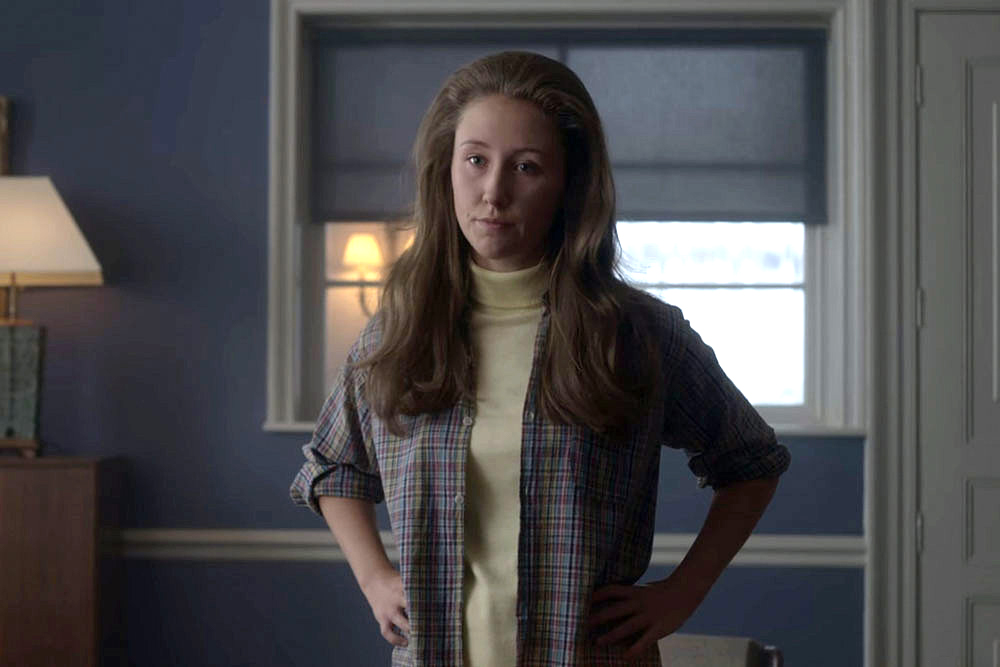
You may recall in previous seasons Philip telling Elizabeth that their children were the “wrong way round,” that their daughter was a boy and their son was a girl. In “Paterfamilias,” it was painfully clear how little Philip had in common with Charles, and, in turn, how much he connected with Anne.
When Philip brings up his escape from Greece in an orange crate, Anne’s response is that a of a daughter who has heard the story countless times. With this memory ever present, Philip has always been determined to keep the British monarchy in the people’s good graces. You’ll remember it was his idea to televise Elizabeth’s coronation. In response to the bad press from his unfortunate comments on the allowance, Philip now plans to invite the people in once more, this time in a televised documentary of life within the palace walls. Anne agrees to participate although she says it all sounds “hideous.”
Wilson later brings news of the military coup happening in Greece. Philip, solely focused on the filming of the documentary, is horrified at Elizabeth’s suggestion that they bring his mother to live with them, saying “appearances are vital” and that she’s “not suited to it.”
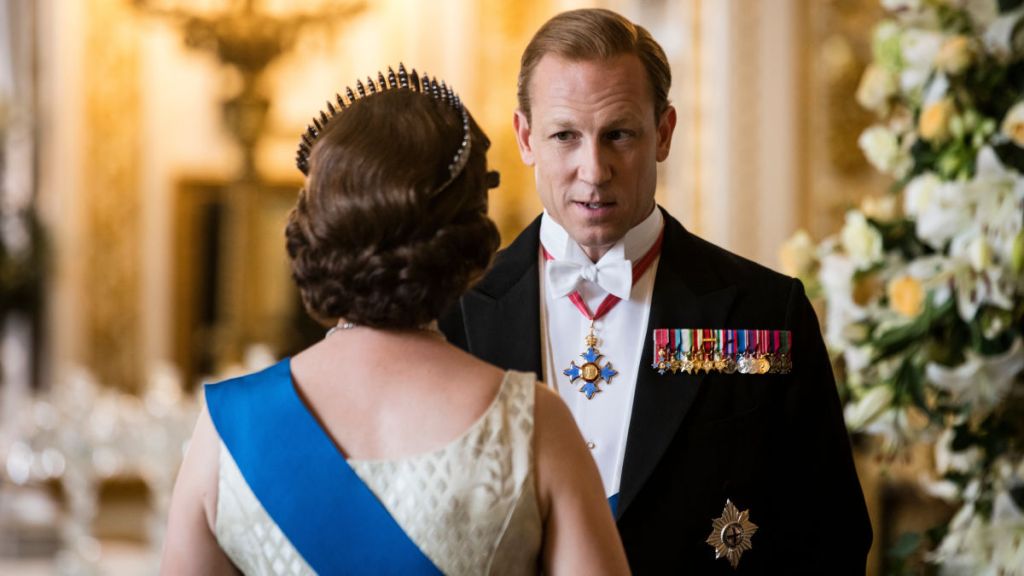
To Elizabeth’s credit, she does the right thing and sends for her to come. Once Princess Alice has arrived at Buckingham Palace, Philip is visibly uneasy and constantly paranoid that the cameras might pick up on her and “derail the entire thing!”
When the Queen recognizes that Philip’s anger is personal and not just at the overall situation, Philip tells her that she [Alice] was never a mother.
The documentary premieres in 1969, and it doesn’t quite have the desired affect. John Armstrong writes in an explosive column:
Even the most ardent monarchist must concede that the strongest piece of armor in the monarchy’s arsenal is its sense of mystery, from which derives its air of majesty. The only thing awe-inspiring about this lot is the size of their over-inflated sense of self-entitlement and their ability to practice a line in small talk that would have life support patients reaching for the off switch.
The following scene between Elizabeth and Wilson reveals the complex tension the monarchy faces between connecting with the public and still maintaining their mystery and majesty.
Wilson: They want you to be ideal- an ideal.
Elizabeth: Only God is ideal which is why I’d favor the royal family being kept out of sight, out of mind…[but] we have to be in full view all the time. So what’s the answer? Ritual and mystery. Because it keeps us hidden while still in plain sight.
At the close of the episode, Philip’s worst nightmare is realized when John Armstrong sits down for an interview with Princess Alice (courtesy of Princess Anne). Philip finally heads to visit his mother, and we fear she’s in for a dressing down. Instead, Philip reads her glowing review. It seems Philip himself is hearing some of these details for the first time, how is mother was taken away against her will and subjected to inhumane therapies.
He offers her an apology, for misjudging her, for not seeing the truth. In response, his mother tells him “if anyone owes anyone an apology, we both know it’s the other way around.” While Philip may not have had the full story, she acknowledges that his abandonment was a tragic consequence of her inability to cope with their family’s exile from Greece. She also encourages Philip to find his faith, that she could have never risen above it all without hers.
When Alice asks her son if he’d like to go on a walk with her, we’re treated to a terrific piece of acting from Tobias Menzies with an ever-so-slight catch in his throat.
This episode, and particularly that conversation between Wilson and Elizabeth, captures so well that unique push and pull between the royal family and us common folk: we want more of them- we are curious to see if they really are just like us, but the more we see- the more humanity revealed-the more we question why they are elevated in any way in the first place. As always, when it comes to the royal family and monarchy, it’s easy to be a fan when you’re not a tax-paying subject.
Odds and Ends
Memorable Lines
I’m afraid my husband is quite taken by the idea of this documentary. and while I might not understand television, I do understand marriage, and when it is important to let someone shine.
Elizabeth regarding Philip’s idea for the documentary
We have uncles that embarrass us, Christmases to endure. We are perfectly normal.
QEII
If this was a normal evening we’d all be on our own in sad isolation in individual palaces.
Princess Margaret as the family is being filmed “watching television together.” From what I’ve read her words paint an accurate picture of how the family operates day-to-day.
When Tony explains in the family meeting what exactly is a documentary, he says “like one of those wildlife films.” Margaret accurately quips, “except this time we are the endangered species.”
Princess Alice of Greece and Denmark
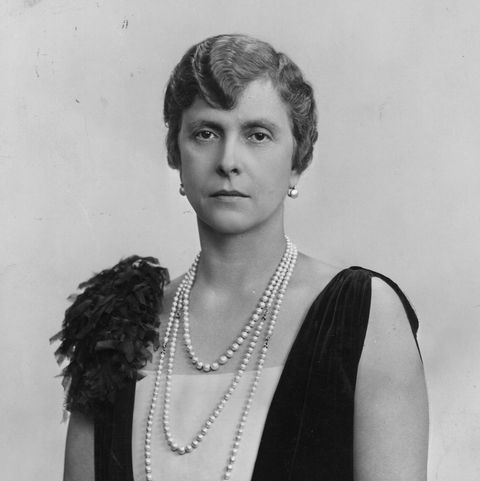
She was indeed born in Windsor Castle, the great granddaughter of Queen Victoria. It’s a bit confusing because she is named for her grandmother, Victoria’s daughter, Alice and her actual mother’s name was Victoria. Her father was Prince Louis of Battenberg, and her brother is who we know on the show as Lord Mountbatten. You may recall Mountbatten and Philip’s failed push in Season 1 for the House of Windsor to be renamed the House of Mountbatten. Even with the new, anglicized version of the name (berg being a little too German), tradition won over and “Windsor” remained. We’ll get more of Alice’s relationship with her brother Louis later in the season.
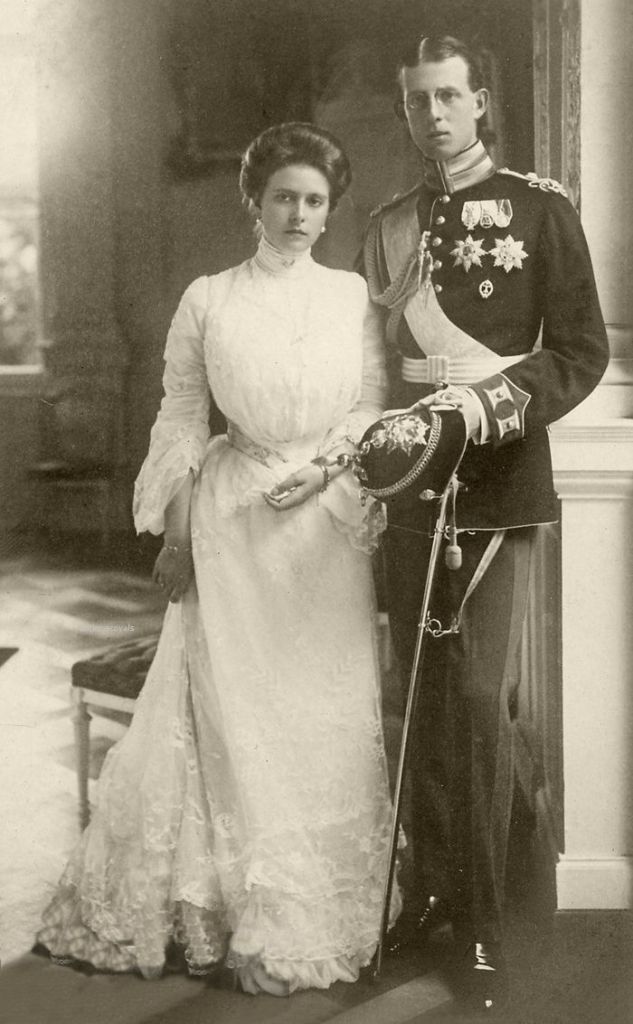
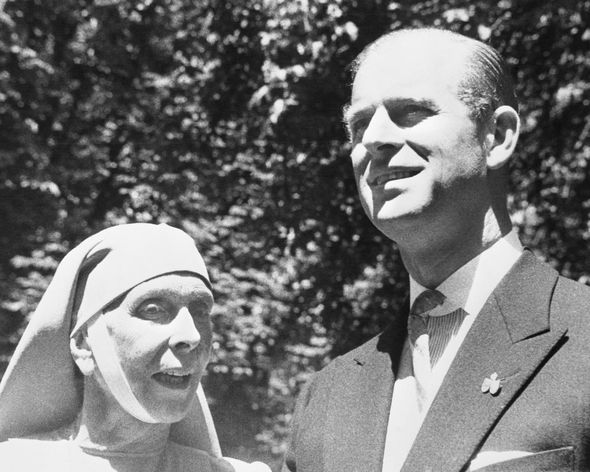
Alice married Prince Andrew of Greece, whose father was king. The monarchy was overthrown, and Philip’s family did have to flee and live in exile. There, Princess Alice became unwell and voluntarily checked herself into an institution. What we see in the show is the second time she was institutionalized which was indeed against her will, and at her mother’s behest, sadly. It was then that Philip, still young, truly became a nomad, staying with various relatives and attending British boarding schools.
I saw one interview in which Philip’s cousin showed an old directory in their home of guests’ names, and next to “Philip,” he had written “no fixed abode.”
When Alice was finally released and back on her feet so to speak, Philip was by that point focused on his naval career aspirations under the tutelage of his uncle Louis. She then started the Christian Sisterhood of Martha and Mary and as we see in the show, and devoted her life to it until she was brought back to Buckingham Palace.
In addition to her work with the Order, Princess Alice is remembered for serving the wounded on the front lines of the Balkan Wars as well as hiding Jewish families during WWII.
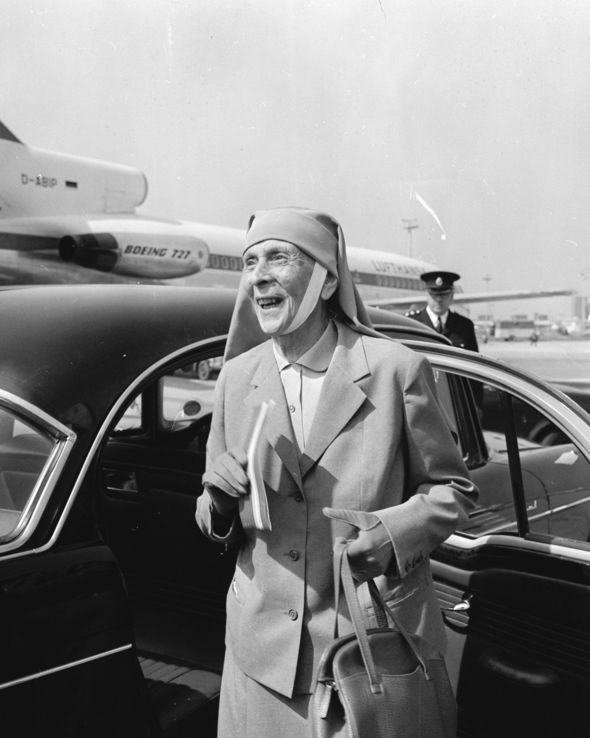
Some actual footage of the Royal Family documentary:
 MGC
MGC 
I am FINALLY watching season 3 while staying home in this crazy time. Thank you for your perfect reviews so I can make sure i understood everything, and so I can see the real life pictures and back stories. Love!
LikeLike