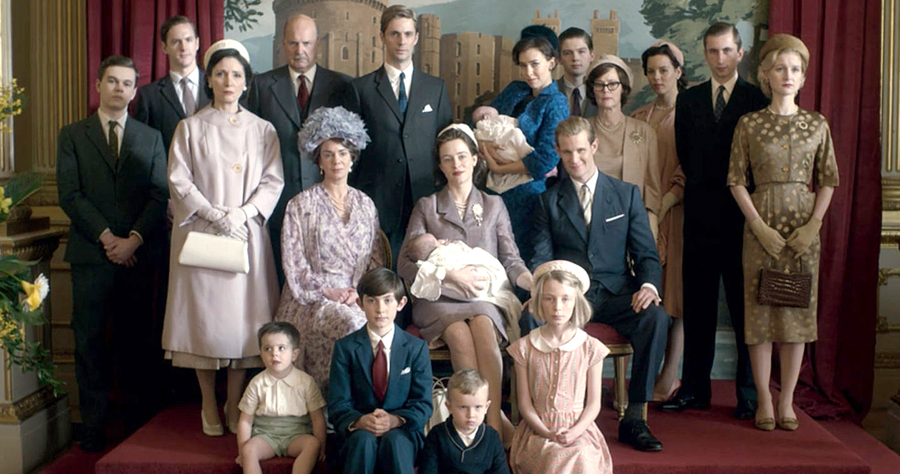
“Her majesty has a seemingly impossible task: she has to be ordinary and extraordinary; touched by divinity and yet one of us- but being ordinary doesn’t have to mean bland or ineffectual or forgettable.”
Lord Altrincham
Season Two of the royal drama returns with the same fascinating characters, with a few new faces in the mix as well, and the question of identity reigns supreme. With “invisible” women and “mystery” men, these most public figures must wrestle with who they are before they can properly settle into their roles. But settle they must. Marriages and the monarchy are at stake!
Rather than selecting top scenes from season two, this time around I’m highlighting five “takeaways” to keep in mind before season 3 returns November 17th!
1. Elizabeth understands her role but still struggles with the personal costs.
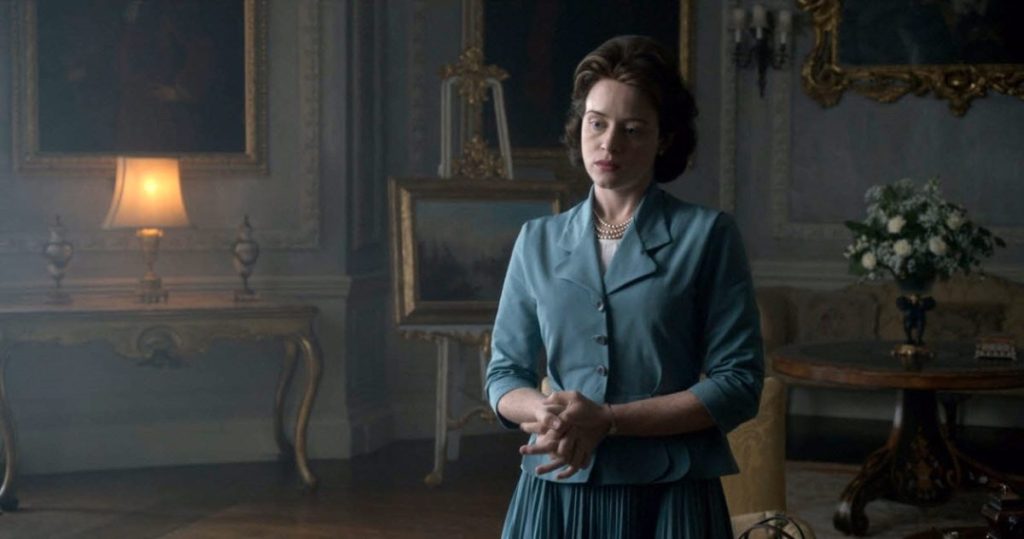
Season 2 depicts Elizabeth not only as a Queen more settled in her role as constitutional monarch, but also how that role requires her so often to put her personal crises aside in favor of duty. “The Crown must always win,” her grandmother’s voice echoes. Her two prime ministers during this period, Anthony Eden and and Harold Macmillan, prove utter disappointments in their inability to stay the course. Their weaknesses are all the more pitiful when held against Elizabeth’s steadfastness. The political turmoil revolves around the Suez Crisis of 1956 and its troubling aftermath.
When the Queen learns of Eden’s questionable machinations for war in Egypt, she, though skeptical, is experienced and sensible enough to reply, “the Prime Minister always has the sovereign’s support,” even if it is through gritted teeth. When the whole business inevitably blows up in Eden’s face and he is forced by his peers to resign, Elizabeth holds him accountable:
“To do nothing is often the best course of action, but I know from personal experience how frustrating it can be. History was not made by those who do nothing. So, I suppose it’s only natural that ambitious men, driven men, want to go down in history.”
QEII to Anthony Eden, upon his resignation
Ironically, the Queen will maintain her reign and “go down in history” thanks in great part to her impartiality, by “doing nothing,” something she sees these egotistical politicians unable to do.
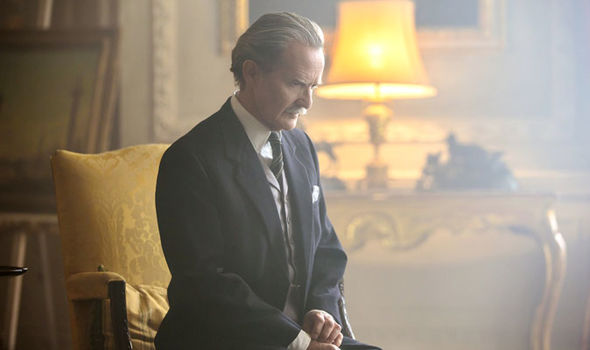
Eden’s successor is Harold Macmillan. His resignation strikes an especially low blow, as the Queen had humbly requested he remain strong, for the stability of the country and also because of the complications of her fourth pregnancy. Instead, Macmillan, like so many others around Elizabeth, chooses self over duty. Her disappointment is keenly felt:
“Do you know I’ve been Queen barely ten years and in that time I’ve had three prime ministers, all of them ambitious men, clever men, brilliant men. Not one has lasted the course. They’ve either been too old, too ill, or too weak. A confederacy of elected quitters.”
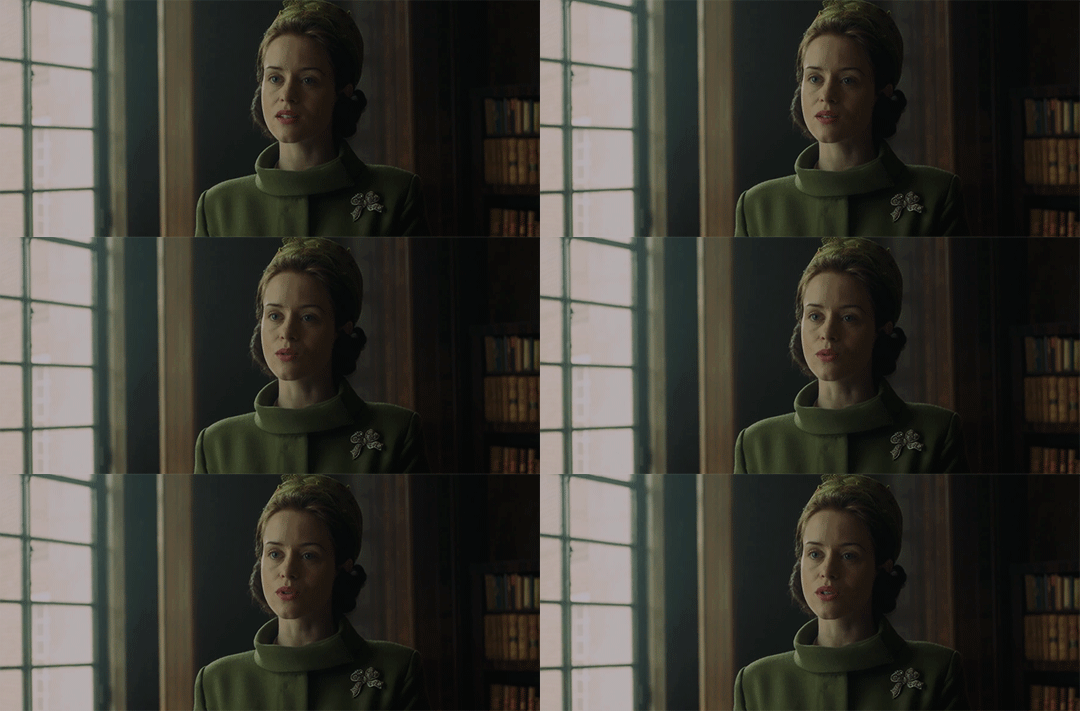
For Elizabeth, there is no escape from what Philip later calls, “the ghastly relentlessness of it all.” The season explores Elizabeth’s discovery of just how lonely and isolating her position can be. She cannot even share the burden of duty with her prime ministers, who themselves are free to surrender and retreat.
In episode 5, Elizabeth confronts the changing state of Britain and the need for the monarchy to reflect that change. Her spur to action comes in the form of a peer-turned-journalist, Lord Altrincham, who writes a scathing article detailing how dated the monarchy has become and the blandness of its monarch.
“We have to remember that since the second world war, since Suez, Britian has changed beyond recognition. And yet the monarchy continues its pre-war routines as though nothing has happened.”
Lord Altrincham
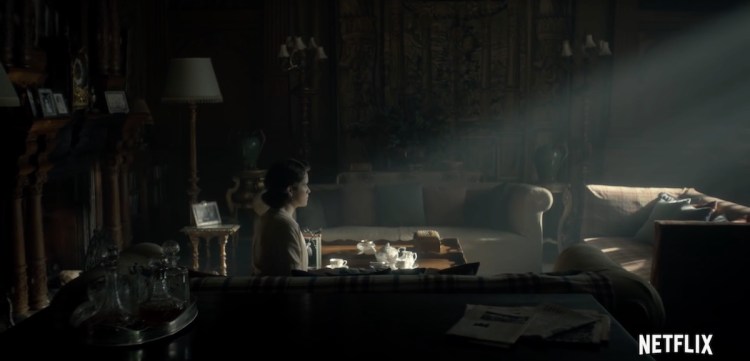
Elizabeth is personally offended, but it is her pride which is most wounded. When she uncharacteristically snaps at her private secretary for leading her astray with a poorly written speech, she is in truth most upset with herself. This is “Lillibet” who wants to do well, to get high marks for doing what she is supposed to do. To receive such a poor report card and be the reason for a “constitutional crisis” is beyond what she can bear.
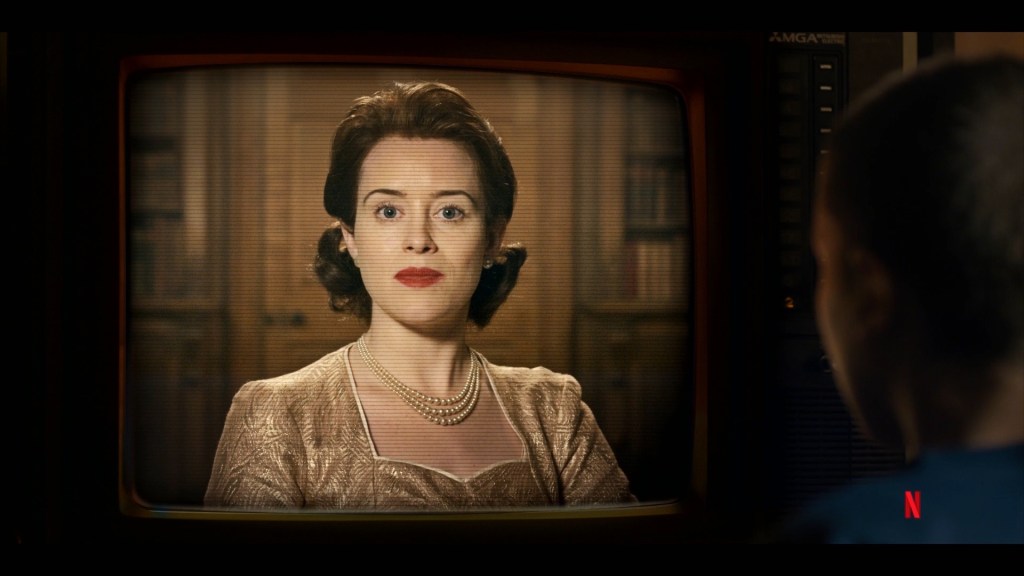
To Elizabeth’s immense credit, she meets with Lord Altrincham to hear “what [the monarchy] must do in order to survive.” He proceeds to give her three things to stop and three things to start; the Queen gives no indication of her intentions for the future, but by the end of the episode we see her “open up” by televising the Christmas speech and “spend time with normal people” by meeting with average working men and women at Buckingham Palace, albeit with gloves on. Elizabeth rises to the occasion, even though it is so unnatural for her. The Queen Mum laments the royal family’s journey from “ruling to reigning to nothing at all…marionettes.” In a world where “republics are the rule and monarchies very much the exception,” the House of Windsor has survived because of its ability to adjust with the times.
2. Philip finally settles into and fully commits to his role as consort.
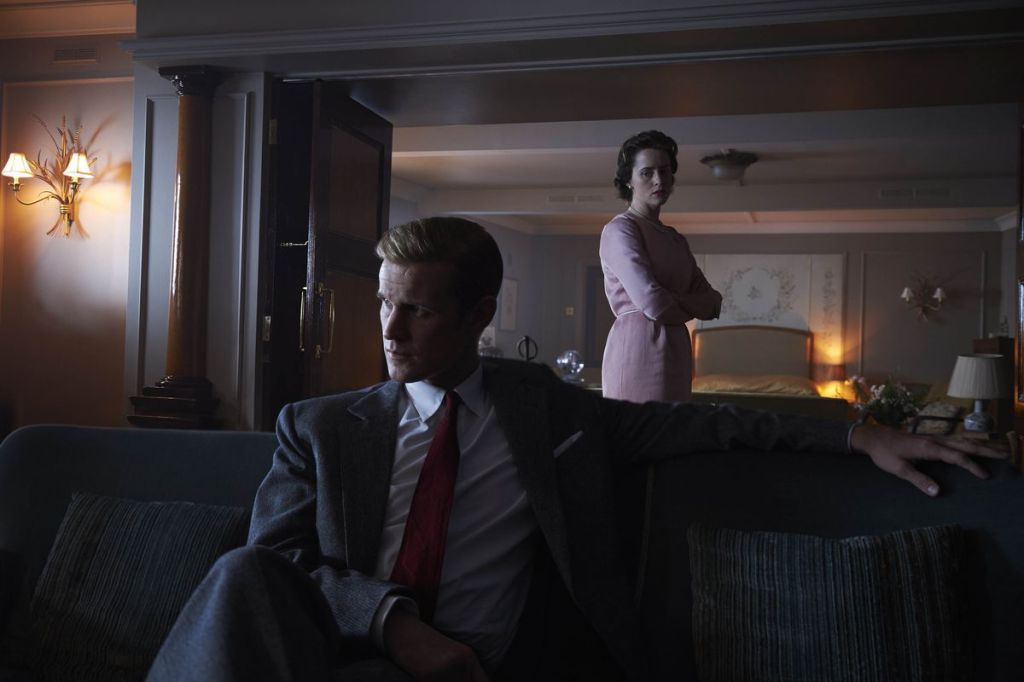
The season opens in medias res with Philip and Elizabeth in the midst of a literal and figurative storm on their yacht Britannia. The first few episodes fill in the context, detailing the gradual rift grown between Elizabeth and Philip while he is away on the five month royal tour, reaching its apex with the divorce of Philip’s private secretary and best friend, Mike Parker. The scene is an appropriate opener for a season largely about the trials and tribulations of marriage. Of course, Philip and Elizabeth’s marriage is not an ordinary one. As Elizabeth points out, their situation is “unique,” with divorce not being an option. Here they “lay their cards on the table.”

Elizabeth speaks of her loneliness; Philip laments his lack of attention and due respect. Elizabeth rightly states he is “lost in his role and he is lost in himself” and begs him to put this “restlessness” behind him. She asks him “what it will take” for him to be “in not out.” His desire not to be outranked by his own son, to be shown “proper respect,” is granted in the form of a new title, “Prince” Philip, Duke of Edinburgh.
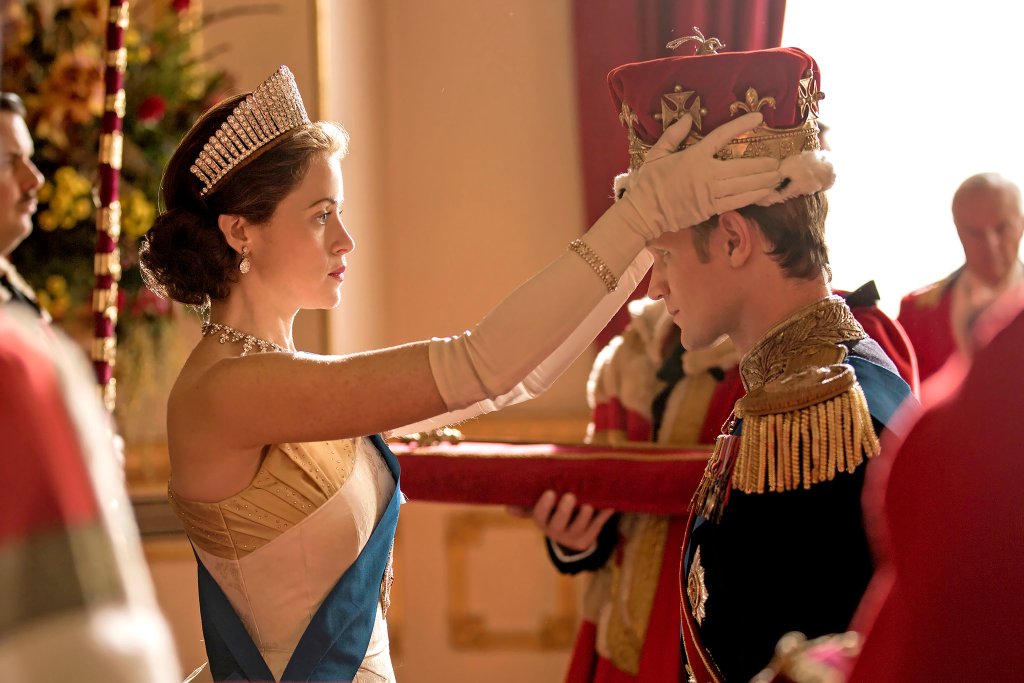
But this new title, this “second act” of their marriage is only just beginning. Philip’s struggle to settle into his role will not be fully resolved until the final episode of the season.
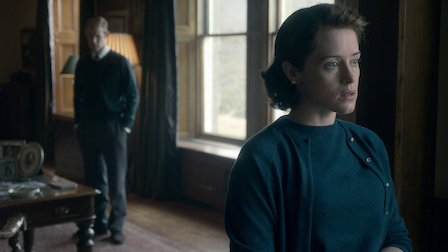
Their final conversation takes place when Elizabeth is once again feeling absolutely alone. She at last confronts him on several suspicions surrounding him, calling him a “mystery man.” She tells him she can “look the other way” but that she wants the truth. In his reply, Philip bookends the first two seasons with a nod to the words Elizabeth’s father spoke to him in the first episode of the series:
“I know what my job is…you are my job. You are the essence of my duty…I am your liegeman of life and limb. In not out…I’m yours…because I want to be. Because I love you.”
Philip to Elizabeth
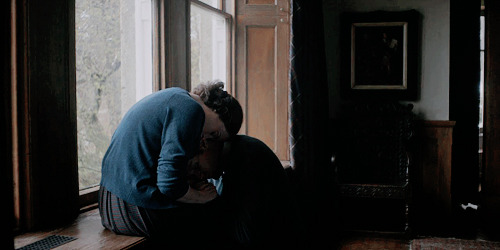
Elizabeth knows she cannot do this job on her own, and she doesn’t want to. In Philip, she now has a committed teammate who will stand by her side for the next fifty-five years.
3. Margaret’s marriage to Tony Armstrong-Jones is doomed.
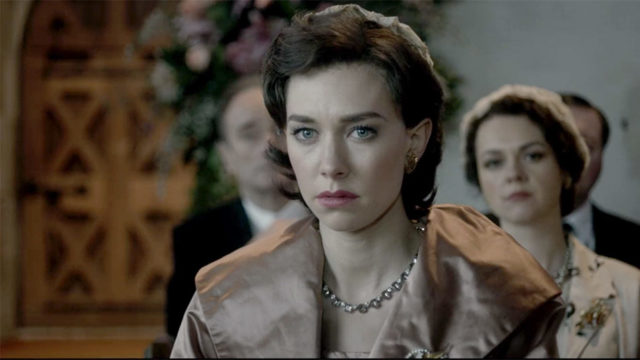
Season One featured Margaret’s romance and subsequent heartbreak with Peter Townsend. In Season Two, we see the repercussions of that heartbreak with Margaret in a very dark place. She can barely muster a smile for her birthday portrait, resplendent in full princess getup, and Cecil Beaton waxing poetic behind the camera on the monarchy’s role in lifting ordinary people out of their humdrum lives.
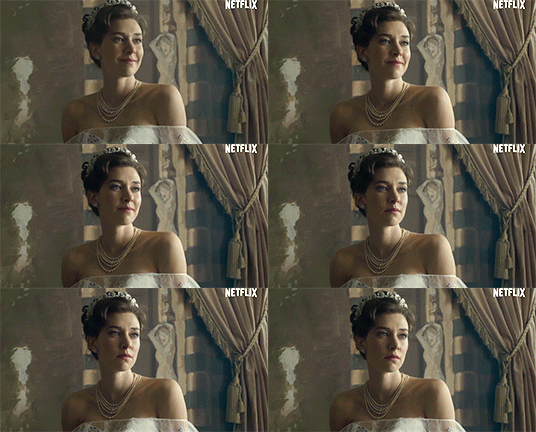
After a particularly troubling session of drinking and wrecking her Clarence House bedroom, tiara sitting atop her vanity in the background, Margaret is greeted the next morning by the Queen Mum. She carries with her Beaton’s developed shots, and it is hilarious and ironic seeing the fairy tale photos juxtaposed with the hungover and chain smoking real-life version. One recalls the Queen Mum’s earlier remarks, “nobody wants complexity and reality from us.”
Margaret sets out determined to meet someone who “doesn’t own land, breed horses or knows [her] mother” which is how she arrives at a dinner party full of “ordinary” people but “extraordinary” in their own right. Enter: Antony Armstrong-Jones and his complete lack of deference and silky smooth voice: “we don’t want anyone conventional around here.”
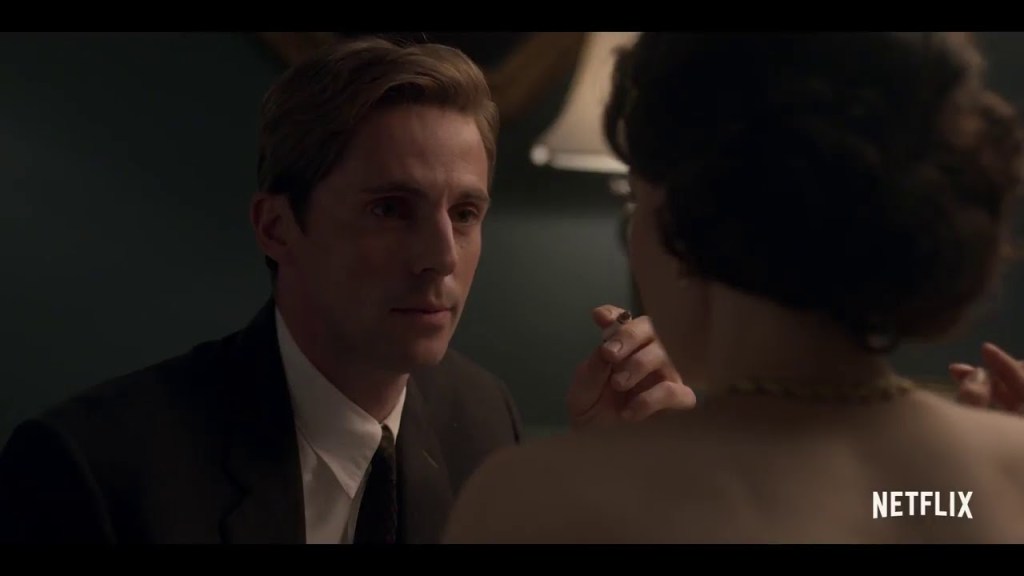
Margaret later tells Elizabeth “there’s a contempt in him- for me- for us- for everything we represent.” Margaret thinks she enjoys that contempt because she too resents the institution of her family, the wound of being denied her happy ending with Peter Townsend still painful.
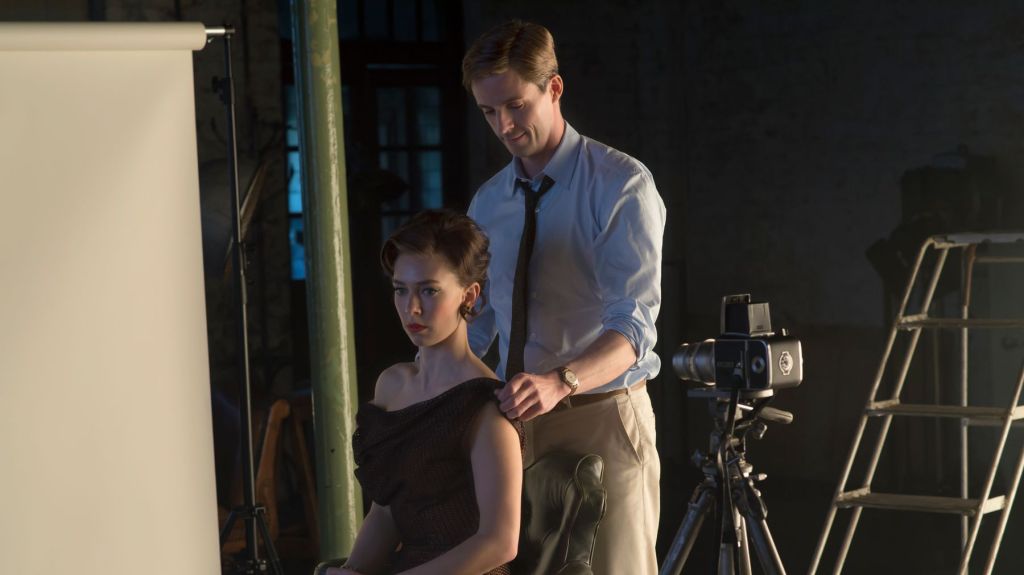
There are so many excellent, re-watchable moments with Margaret and Tony, superbly played by Vanessa Kirby and Matthew Goode- every scene they’re in deserves its own breakdown- but I will focus on what may be most important in preparation for what we will see between them in season 3, namely the decline of their marriage. Tony is everything Margaret thinks she wants, and obviously does want in an immediate physical sense, but as Tony declares in their portrait session, she “has no idea” who she really is. Margaret likes to believe herself the wild spirit of the family- unconventional, egalitarian- so in Tony she believes she’s found her match. He “makes sense” of her, she tells Elizabeth. Similarly, Tony is more of a cliche than he would care to admit, with his need to please his social climbing mother one of his driving forces.
We certainly see the chemistry between them, particularly in one of the best soundtrack moments of the series: Margaret and Tony ride through London on his motorbike as Max Richter’s recomposition of Vivaldi’s “Spring” perfectly captures that feeling of young, reckless love

But underneath their superficial passion for each other, their motivations for marriage are far from true love and a commitment to build a life together. Tony asks Margaret to promise never to bore him; she in turn asks him to promise never to hurt her. And the viewer just sighs, knowing, with or without the aid of history, exactly where this relationship is headed.
After learning of Tony’s “complicated present” aka multiple ongoing affairs and a love child, Elizabeth is faced with whether to tell Margaret what she may need to know but what will also deeply hurt her:
Elizabeth: Are you sure that Tony’s the right man? In the first flush of romantic love we’re all blind. We see only what we want to see…you end up committing yourself to something- to someone- that isn’t quite right.
Margaret: Tony is a free choice. Tony has given me reason to hope and dream.
E: But he’s also a very complicated man…is he the right man for a lifelong commitment? For marriage with all its ups and downs?
M: Tony makes sense of me. Defines me. At long last I know who I am and what i represent.
E: And what is that?
M: A woman in my own right, a woman for the modern age, and above all, a woman who is free. Free to live, to love, and free to break away.
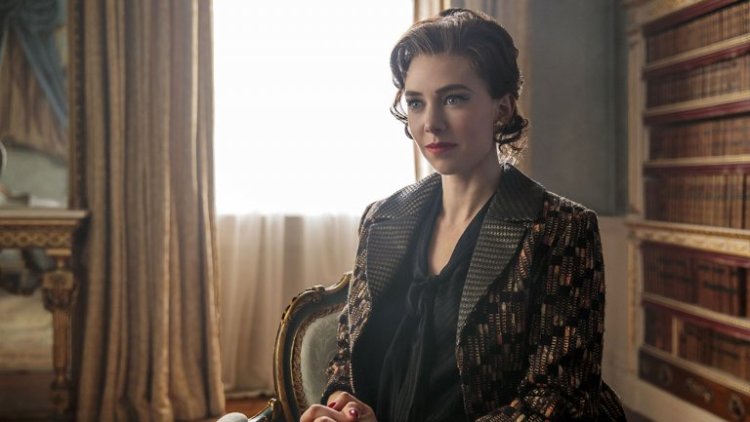
This line spoken by Margaret featured prominently in the season 2 trailer, so it was refreshing to hear it met with an immediate reply from Elizabeth, calling her sister on her hollow words:
E: Yes, but you’re not breaking away because you won’t give up your title, your rank, your privileges for one simple reason: you enjoy it all too much- the palace, the privileges, the deference. It’s always meant more to you than it did to me. Al I wanted to do was give it all up and disappear and become invisible.
M: Well in that case your achievement’s the more remarkable as you’ve managed to disappear and become invisible while wearing the crown.
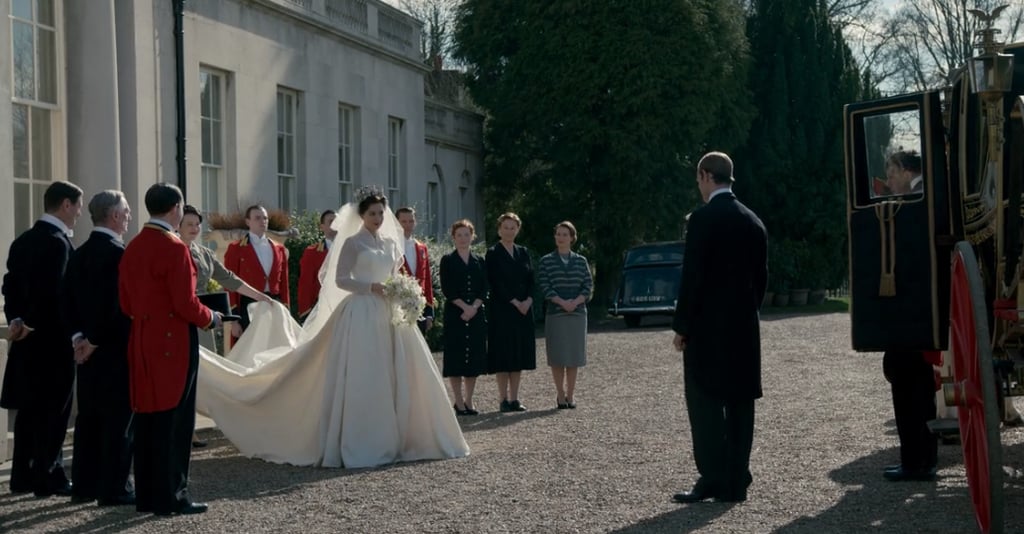
Yikes. And with that we are treated to the joyless montage of the wedding. Oh, it is tough to watch Margaret beaming with happiness while everyone else can barely manage a grimace, including her husband-to-be. I’d love to write a post just on Tony’s relationship with his mother- on his desperate desire for her approval and love, arguably the reason he’s marrying Margaret in the first place- but I’ll just include their final exchange as they approach the Abbey for the ceremony:
Tony: Well, not bad, you’d have to say…for the son that always brought you shame. The son that you rejected. The son that was never good enough. I suppose I always thought that eventually you’d find it in you to admit that you’re proud of me. Perhaps even that you love me.
Lady Rosse: Darling I do hope you haven’t done all this for me.”
4. Prince Charles is different.
Again, there is so much to say about the episode entitled “Paterfamilias,” which reveals the complicated and tragic backstory of Prince Philip as well as the complicated and tragic present of Prince Charles.
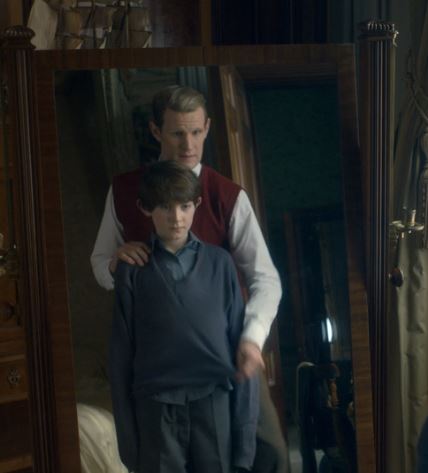
It’s impossible to single out one “takeaway,” but I also hate to say you have to re-watch the whole episode, because it is dark and painful enough the first time around. So what is most crucial moving forward to season 3?
All season the show has explored the “mystery man” that is Philip. Earlier in the season, the Australian journalist probes him on his past: “there’s so much that people don’t really know about you.” We’ve heard mentions of a “lunatic mother” and “Nazi sisters,” and finally in this episode full of flashbacks we fill in the gaps. It is an episode as much about what, in general, makes a man as it is about who Philip, specifically, has become. And it certainly lays the groundwork for our understanding of Charles who will feature more prominently in season 3.
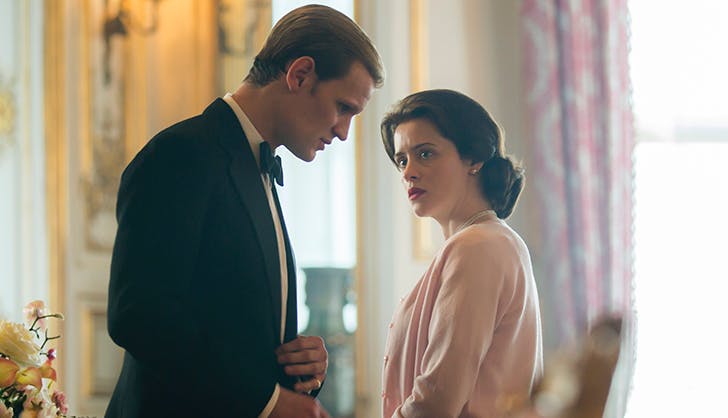
The chief conflict of the episode is where Charles will attend school. It is abundantly clear to everyone but Philip that Eton College, close to Windsor, is the perfect fit for the more sensitive Charles. But Philip is absolutely singleminded in his determination that Charles attend Gordonstoun, the place he believes made him the man he is today. We learn from Charles’s current schoolmaster that he is “sensitive” and “different” and not just because of who he is as heir to the throne. We see Charles’s fondness for letter writing and material flare with his wardrobe.
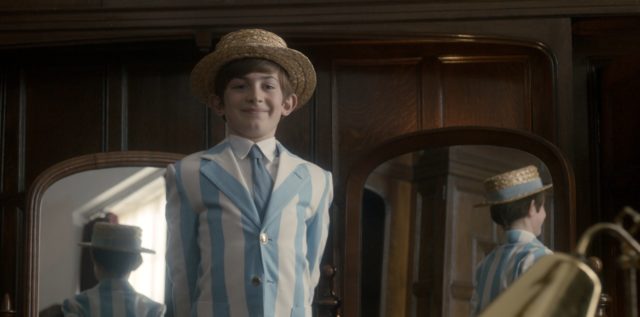
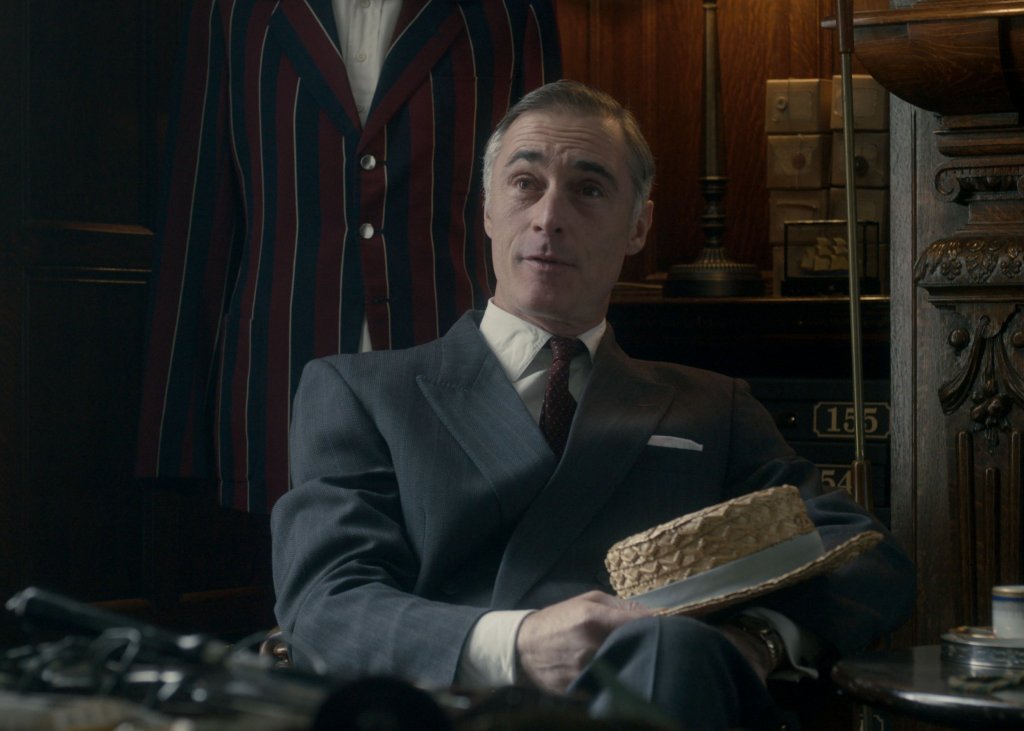
We also see the importance of Louis “Dickie” Mountbatten in both Philip’s and Charles’s lives. In both the flashback to Philip’s adolescence and in present day of the story, Louis serves as a reassuring father figure to the young men, someone in whom to confide. The success of the episode is that the viewer leaves fully understanding the importance of Gordonstoun to Philip and exactly why he wants Charles to go, but we leave also fully assured that there could not be a worse place for Charles.
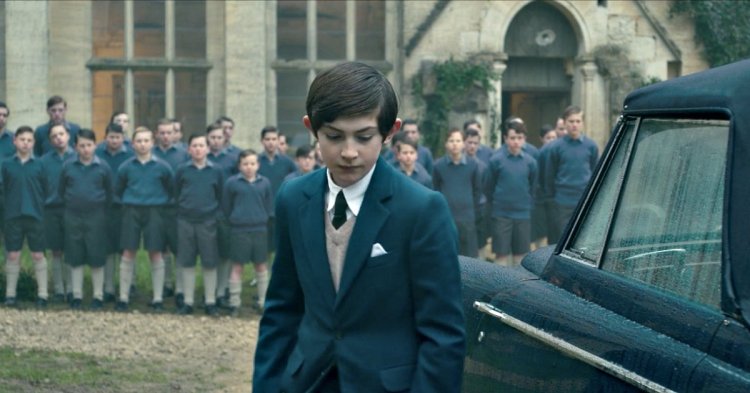
At Gordunston, the two boys have similar starts: neither wishes to be there at the beginning and are bullied for their differences. However, the two young men have vastly different responses to this testing of their mettle. One crucial difference is the tragic loss of his sister Philip experiences during his time at the school. Philip later tells Charles “the struggle is a gift,” and for his personality, it was. The school and its students became Philip’s family. Struggle motivated Philip to be strong and grow; in contrast, Charles’s struggles wear him down, close him off, and turn him even more inward.
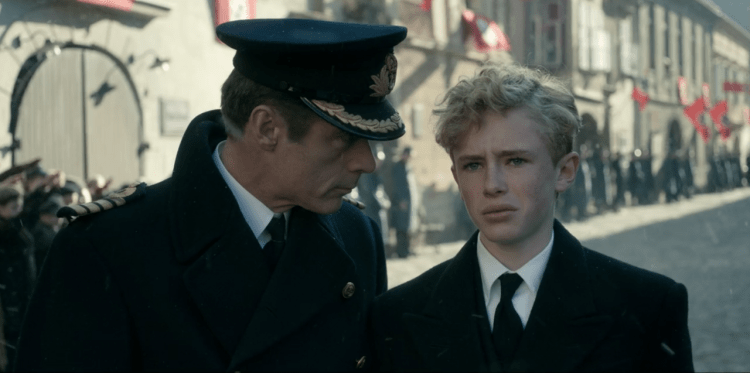
Elizabeth, after hearing from Dickie of Charles’s severe unhappiness at Gordonstoun, argues strongly for Charles to transfer to Eton, but Philip puts his foot down with the sincere belief that this school will prepare Charles for the arduous task ahead of him in his role. Charles will remain at Gordonstoun for another five years and will later as an adult make no qualms about the hell it was for him.
Looking ahead to Season 3, remember this temperamental difference highlighted between father and son; it has always been said that Philip more easily connected with Anne who was so similar to him. Bear in mind the Queen’s dislike for confrontation. And expect to see Charles missing this lack of emotional connection and looking for it elsewhere
5. Uncle David is out.
The Duke of Windsor returns in the episode, “Vergangenheit,” which is German for “the past.” With a secondary storyline highlighting the Queen’s fascination with Billy Graham and her earnest desire to do right by the Christian value of forgiveness, episode 6 primarily recounts the dark shadow of the Duke of Windsor’s history with Nazi Germany in World War II. Uncle David has returned to England in search of an occupation, and he must obtain approval from government and the crown. Elizabeth, who professes “the values of Christian living root me, guide me, define me,” is eager to forgive the uncle she feels has paid for the wrongs done his family and his country with the abdication.
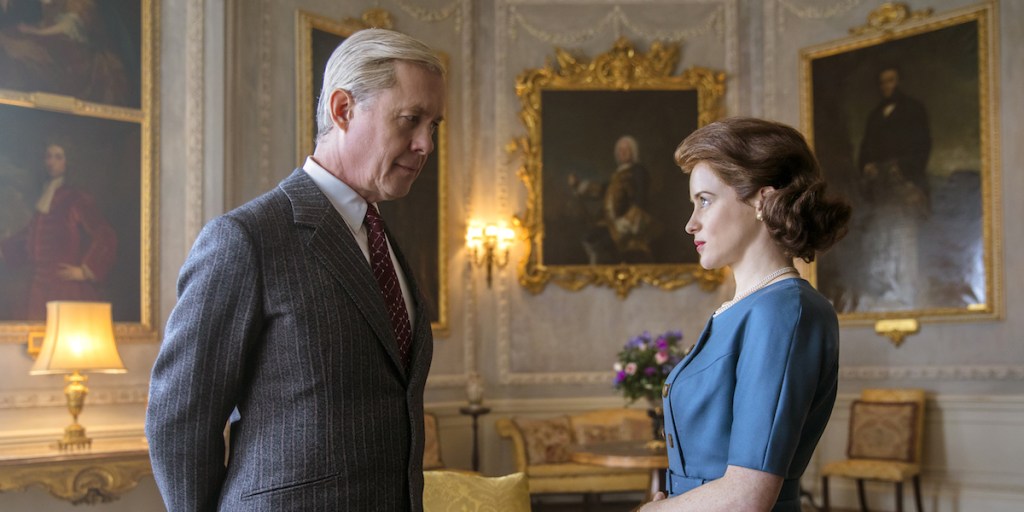
However, it comes to light that the Duke of Windsor’s sins are much more vast than she knew, with documents revealing his correspondence during the war with Nazi officials and the alleged plan to overthrow his brother and re-take the throne of England with the support of Germany. In return for this support, he passed intelligence and even urged the Nazis to continue the bombing of London in order to make England ready for peace. Everyone involved is understandably disgusted, but perhaps none more than Elizabeth herself. Remembering all Uncle David has cost her, abdicating the throne and forcing her father upon it, in the midst of WWII no less, and now this betrayal, she explodes on him, telling him his behavior “makes a mockery of even the central tenets of Christianity. There is no possibilityy of my forgiving you. The question is: how on earth can you forgive yourself?”
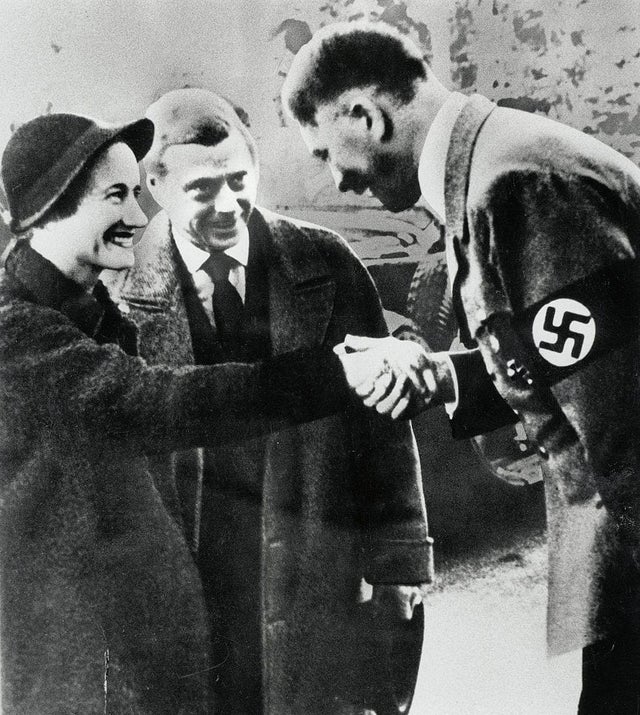
There is no question of the Duke’s villainy in the eipsode, complete with a real-life snapshot of the Duke and Duchess of Windsor smiling as they shake hands with Hitler, but Uncle David’s words to Elizabeth must still be noted:
“[You] have no mind of your own. That’s why everyone’s so thrilled with you. The last royal to have a mind of his own was me and that’s why they threw me out. Let me ask you this: who has done more damage to the monarchy? Me with my willfulness or you lot with your inhumanity?”
David, the Duke of Windsor, to Elizabeth
Again, the Duke is obviously in the wrong for his past actions, but that does not mean his words do not hold truth. Earlier in the season, Philip said to his friend Mike when it became clear he had to fire him because of his very public and messy divorce: “there is no room for mistakes. There is no room for scandal. There is no room for humanity.”
This criticism of the “institution” lacking humanity or not allowing for a mind of one’s own is worth noting because I am sure we will see it explored further in Prince Charles’s storylines.
Season 3 supposedly covers through 1976, so it will be interesting to see how they handle the Duke of Windsor’s death in 1972.
Odds and Ends
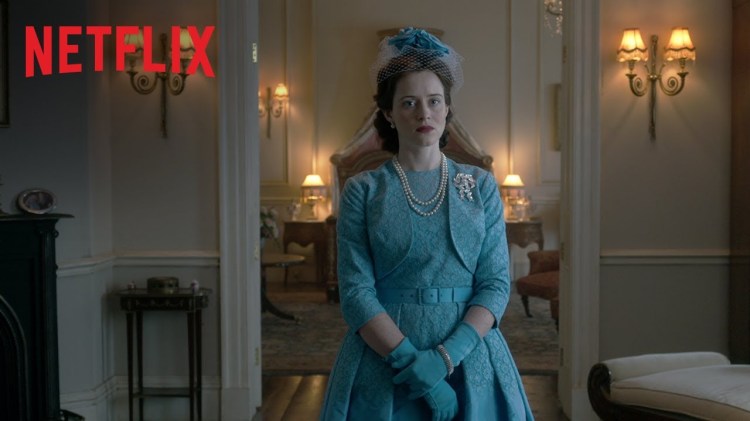
If you were wondering whether the Queen actually wore that blue ensemble to Princess Margaret’s wedding, the answer is yes.

Worth another listen:

taken by Antony Armstrong-Jones
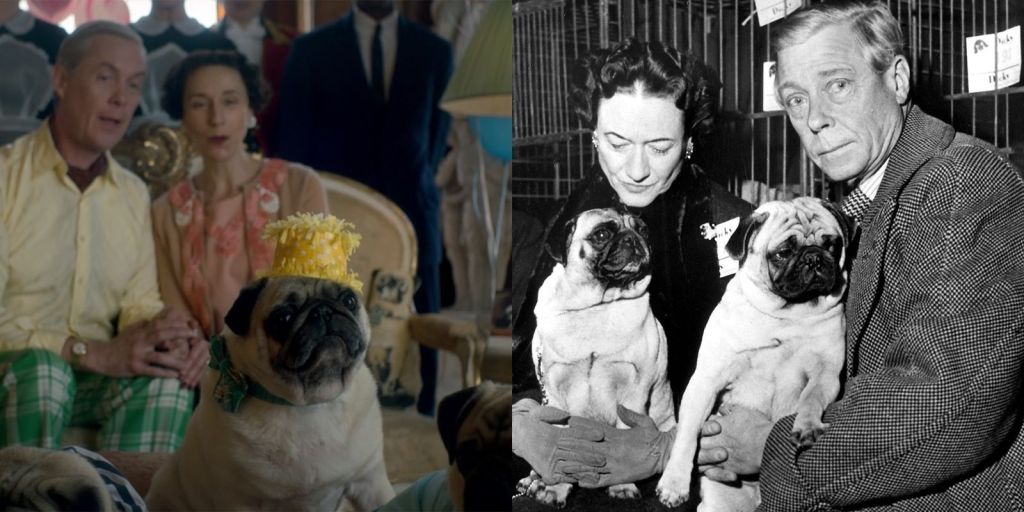
And with the pugs, we bring our discussion of Season 2 to a close. I hope you’re leaving refreshed with the important takeaways before Season 3 arrives on Sunday.
Thanks for reading! If you missed my recap of Season One, you can find it here:
https://maggiechism.video.blog/
Season 3 Trailer Breakdown: https://maggiechism.video.blog/the-crown-season-3-trailer-breakdown/
 MGC
MGC 